
CNC Turning or Milling? How Part Geometry Shapes the Machining Process

CNC Turning or Milling? How Part Geometry Shapes the Machining Process

The shape of a metal component often tells you more about the suitable machining process than its material name does. A rotational part with a central axis presents a different manufacturing problem from a component containing flats, pockets and features spread across several faces. CNC turning and CNC milling are both established precision

Read More
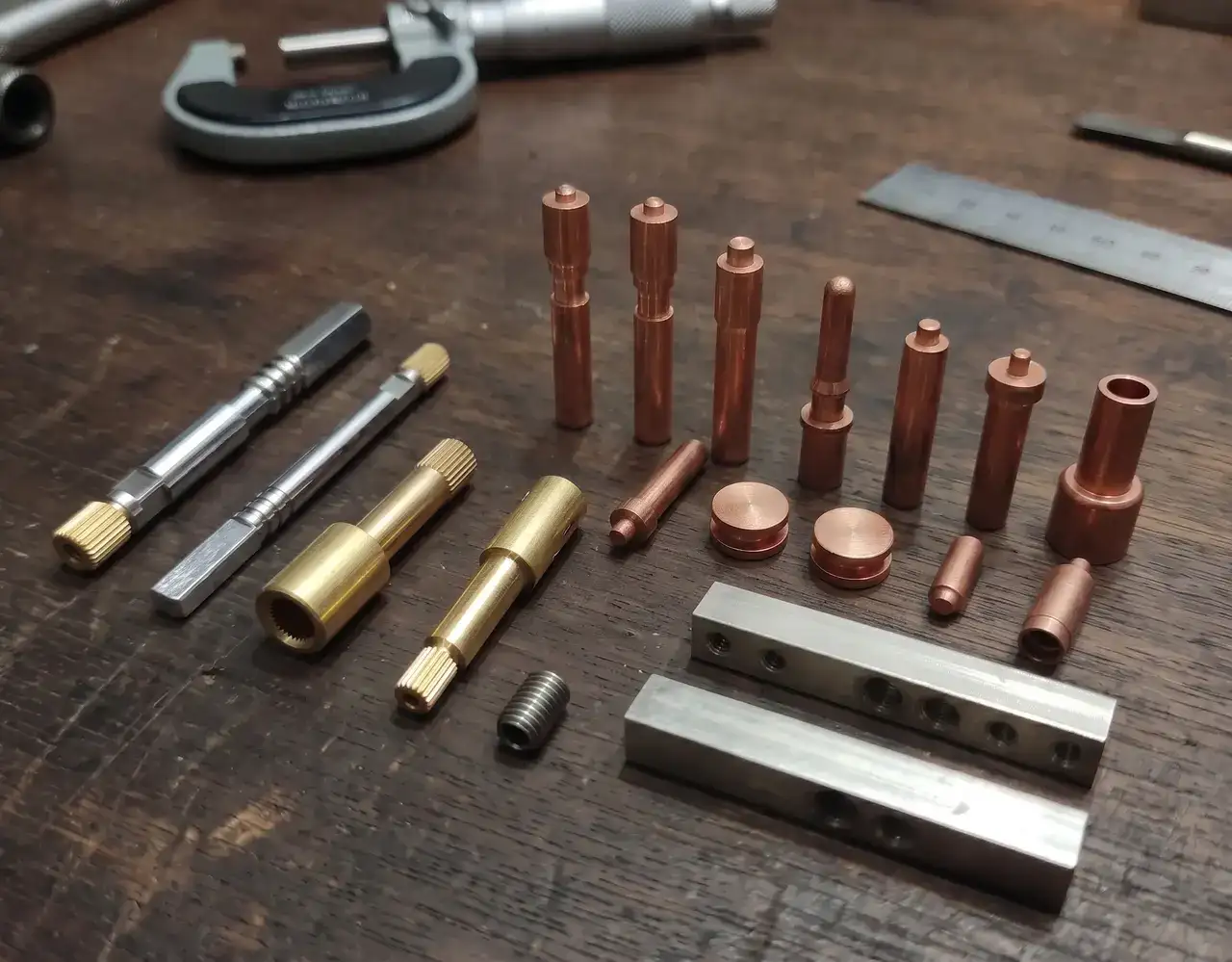
Why Machining Tolerances Matter in Precision Metal Parts

Why Machining Tolerances Matter in Precision Metal Parts

A dimension on an engineering drawing is rarely intended to be an unlimited target. It normally comes with a tolerance that defines how much variation is acceptable while the component remains functional. Understanding that tolerance is important in precision metal manufacturing because it connects the drawing to the actual manufacturing

Read More
Brass, Copper and Aluminium: Choosing the Right Metal for Precision Components

Brass, Copper and Aluminium: Choosing the Right Metal for Precision Components

Choosing a metal for a precision component is rarely a simple matter of picking the strongest, lightest or most conductive option. The component has a job to perform, a manufacturing process behind it and an environment in which it must operate. Those requirements often point toward different material characteristics. Brass, copper and

Read More