
Brass, Copper and Aluminium: Choosing the Right Metal for Precision Components
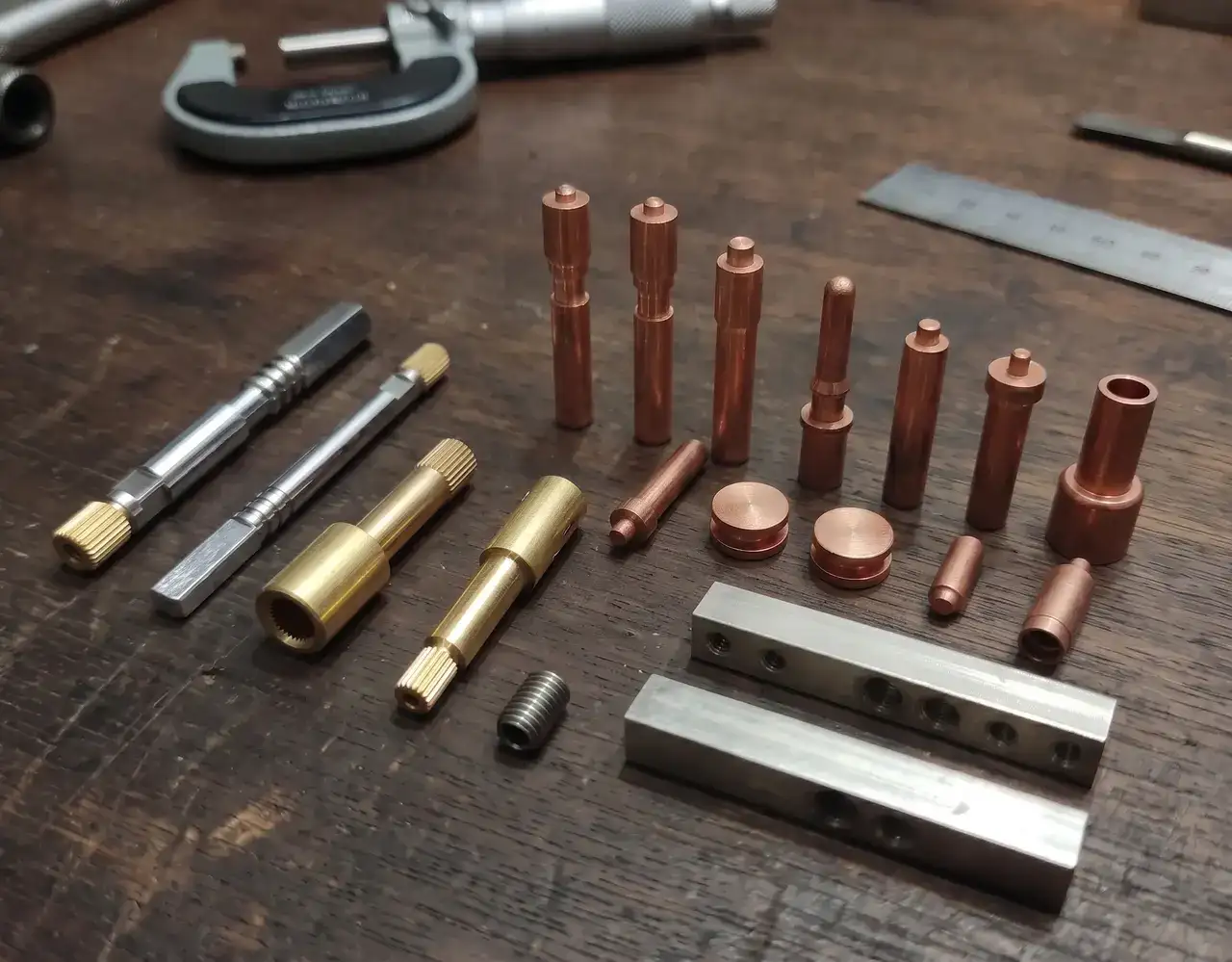
Choosing a metal for a precision component is rarely a simple matter of picking the strongest, lightest or most conductive option. The component has a job to perform, a manufacturing process behind it and an environment in which it must operate. Those requirements often point toward different material characteristics.
Brass, copper and aluminium are all useful in precision metal manufacturing, but they behave differently. Understanding those differences helps engineers and manufacturers make a more practical material decision before production begins.
The Component Function Comes First
A material should be selected from what the finished component needs to achieve. An electrical connection may place greater emphasis on conductivity, while a mechanically loaded part may require strength or dimensional stability. A component intended for weight-sensitive equipment may put greater emphasis on density.
The same material can therefore be excellent for one component and unsuitable for another. Material selection should start with the function, not with a general ranking of metals.
Brass: A Useful Balance of Properties
Brass is a copper-based alloy that is widely considered for machined components because it can combine useful electrical characteristics with mechanical properties and good machinability.
Its machining characteristics can be valuable when a component contains threads, holes, turned profiles or other detailed features. The specific brass grade still needs to match the electrical, mechanical and environmental requirements of the application.
Copper: When Conductivity Takes Priority
Copper is widely used when electrical conductivity is a major design consideration. It can be manufactured into a range of conductive and precision components, depending on the geometry and required production method.
Its higher density compared with aluminium can become relevant when component weight is important. Copper can also require appropriate process planning because the selected grade and geometry influence machining behaviour.
Aluminium: The Weight Advantage
Aluminium offers useful electrical conductivity while having much lower density than copper. That combination can make it attractive where reducing component weight is part of the engineering objective.
Weight is not the only consideration. Joint design, surface condition, mechanical requirements and the manufacturing characteristics of the selected aluminium grade should also be evaluated.
A Quick Engineering Comparison
| Material | Common consideration | Potential advantage |
|---|---|---|
| Brass | Machined electrical and mechanical components | Balance of machinability, mechanical properties and electrical performance |
| Copper | Conductive components | High electrical conductivity |
| Aluminium | Weight-sensitive electrical or mechanical applications | Low density with useful conductivity |
Machining Changes the Practical Choice
Material selection and machining cannot be treated as completely separate decisions. The material influences cutting behaviour, tooling requirements, surface finish and the ability to maintain dimensions consistently.
A component with several small holes and threads may create different production challenges from a simple turned profile. The manufacturing route should therefore be reviewed alongside the material rather than after the material has already been finalized.
Think About the Working Environment
Temperature, moisture, vibration, contamination and contact with other materials can influence the suitability of a metal. A material that performs well under controlled conditions may require additional consideration in a more demanding environment.
Where surface treatment or finishing is required, that requirement should also be considered as part of the material and component specification.
Questions Worth Answering Before Material Approval
- What is the primary function of the component?
- Does electrical conductivity have a major role?
- What mechanical loads will the part experience?
- Is component weight a design constraint?
- Which machining operations are required?
- What environmental conditions will the component face?
- Which dimensions and tolerances are functionally critical?
Material Selection Is a Design Decision
Brass, copper and aluminium each have a useful place in precision manufacturing. The right choice depends on the balance of properties required by the finished component and the practicality of producing it consistently.
A clear material specification, suitable manufacturing route and functional approach to tolerances provide a stronger basis for repeat production than selecting a material from one property alone.


