
EV Connection Pins: What Influences Electrical and Mechanical Performance?
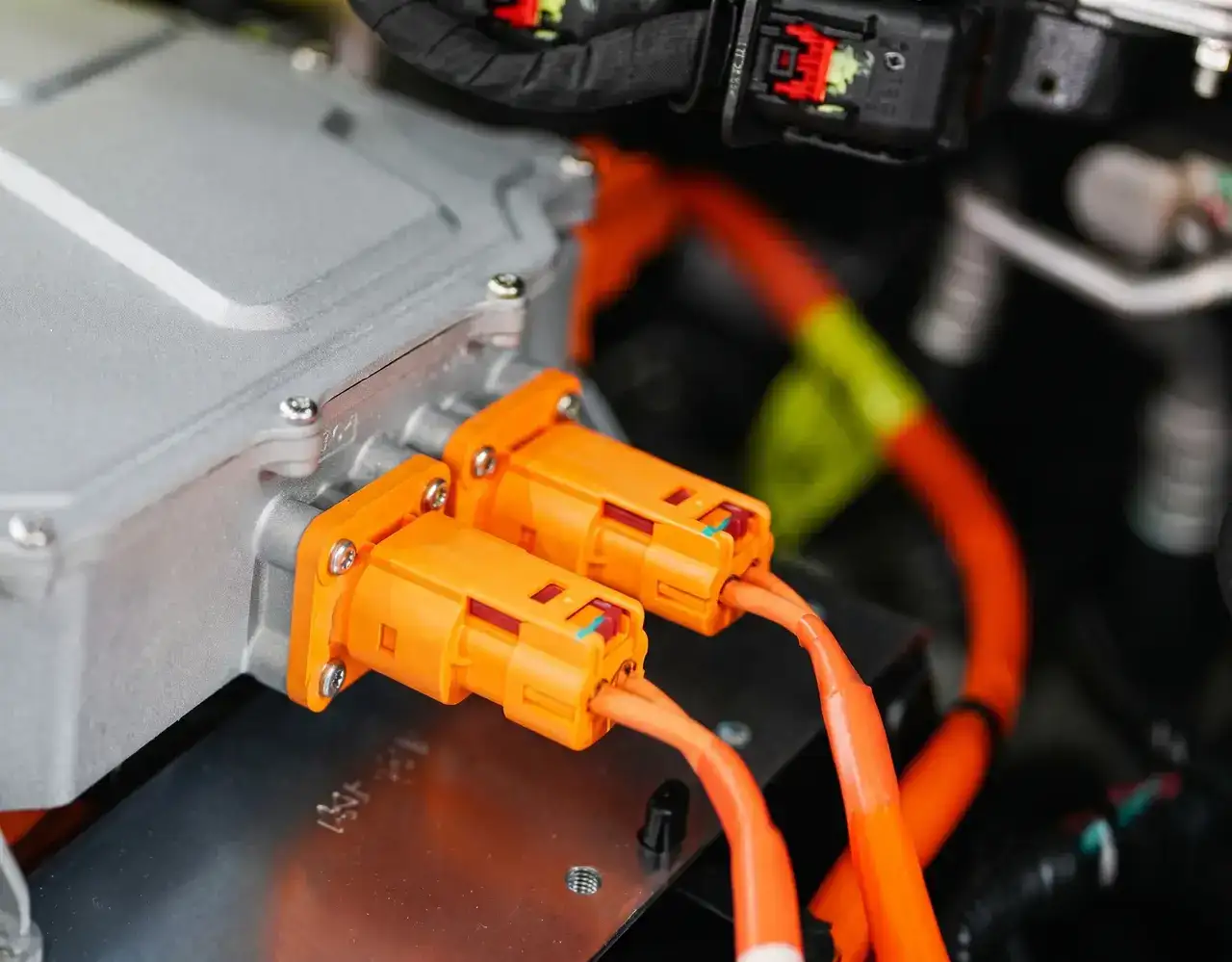
A connection pin may be a small part of an electric vehicle electrical assembly, but its job is not small. It provides a defined conductive interface while also having to fit correctly within the surrounding connector or equipment.
That combination makes EV connection pins an engineering problem rather than simply a metal-machining exercise. Electrical behaviour, contact geometry, mechanical fit, material and production consistency all influence the finished component.
Think About the Connection, Not Just the Pin
The performance of a pin is determined partly by what happens at its mating interface. The pin must reach the intended contact area, maintain the required fit and remain mechanically stable within the assembly.
A dimension that appears minor on a drawing can therefore become important if it controls insertion, alignment or contact with another component.
Material Selection: More Than Conductivity
Copper is widely considered for conductive applications because of its high electrical conductivity. Brass can also be suitable for certain electrical connection components where electrical performance needs to be balanced with mechanical properties and machinability.
The choice depends on the design. Current requirements, mechanical loading, temperature, environment, surface condition and the mating system should all be evaluated before finalizing a material.
Three Characteristics Worth Watching
Electrical path
The conductive path needs to support the intended electrical requirement. Material and component geometry both contribute to this.
Mechanical interface
The pin must fit the mating component correctly. Diameter, length, shoulders, grooves or other features can affect how the connection is assembled and retained.
Repeatability
A connector containing many identical pins needs those pins to remain consistent. Variation in a critical feature can change assembly behaviour even when the nominal design remains unchanged.
Where Machining Becomes Important
Many connection pins contain rotational features, making turning a natural manufacturing route for suitable geometries. Secondary operations may be required for grooves, flats, holes or other details.
The important issue is not simply whether a machine can produce the shape. The process also needs to maintain relationships between features. A pin can have the correct diameter while another feature is out of position.
Heat, Vibration and the Service Environment
Electrical connections operate under real conditions. Temperature variation and vibration can place additional demands on the mechanical interface, while the surrounding environment can influence surface condition over time.
These factors should be considered during design and material selection. The appropriate requirements depend on the actual application and operating conditions rather than on the label “EV component” alone.
What a Good Specification Should Tell the Manufacturer
A production drawing should make the functional requirements clear. Material, critical dimensions, tolerances, threads or grooves, surface requirements and other relevant features should be specified according to the component design.
Clear documentation reduces assumptions. It also gives production and inspection teams a common reference when evaluating the finished component.
Keeping Thousands of Small Parts Consistent
For recurring production, consistency is often more challenging than making a single accurate part. Tool wear, setup variation and process changes can gradually influence dimensions.
That is why repeat production benefits from a defined process, suitable inspection points and attention to the characteristics that matter most to the connection.
Before Approving the Design
- Confirm the electrical requirement.
- Check the mating and contact geometry.
- Review material and environmental conditions.
- Identify functional dimensions and tolerances.
- Consider the machining sequence.
- Define how critical features will be inspected.
Conclusion
EV connection pins sit at the intersection of electrical performance and mechanical precision. A dependable result comes from treating the pin as part of the complete connection system and controlling the characteristics that affect conductivity, fit, alignment and repeatability.


