
Designing Reliable Electrical Connections: From Contact Geometry to Manufacturing
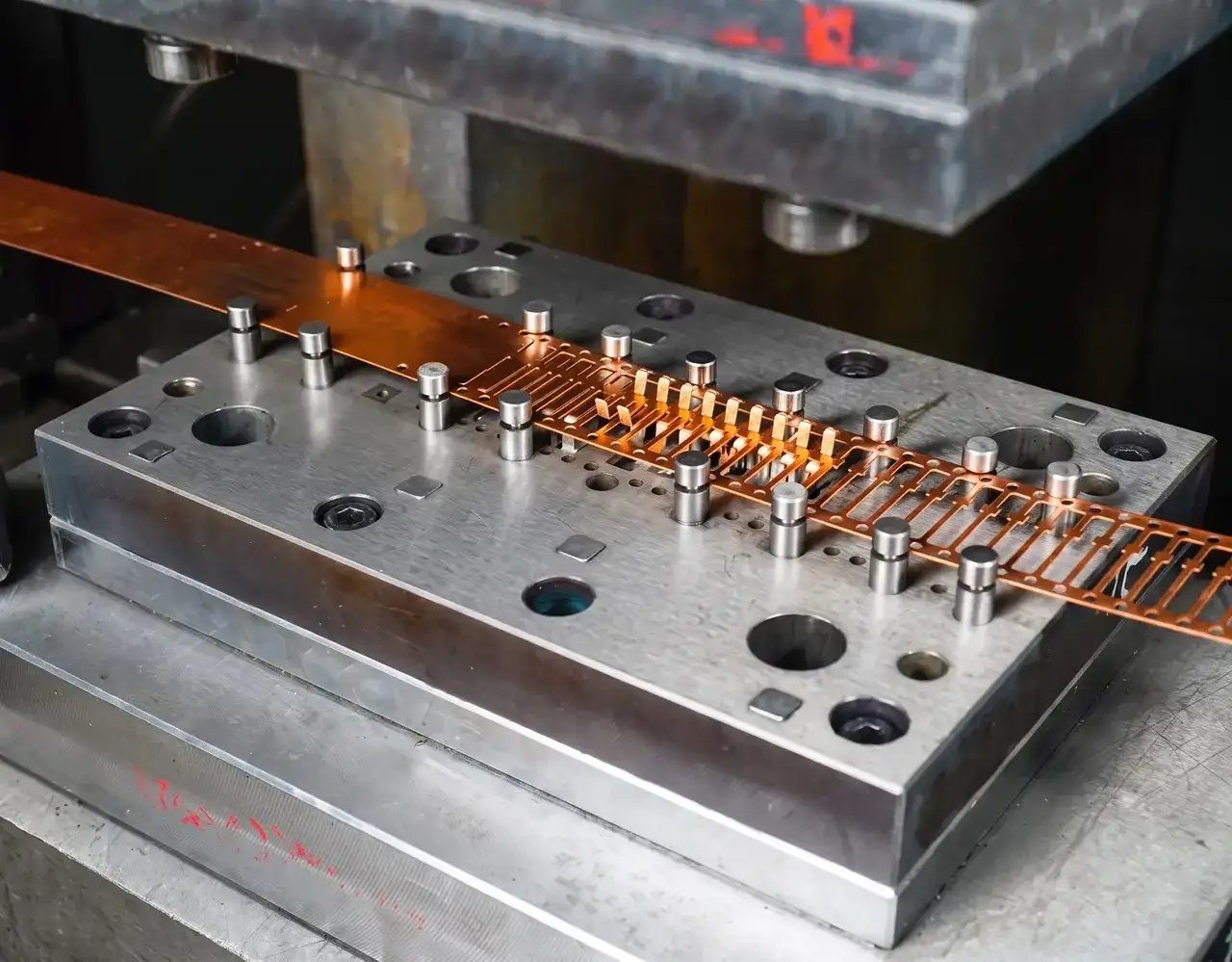
A reliable electrical connection depends on a combination of electrical contact and mechanical stability. Conductivity is important, but a connection can still perform poorly if the mating surfaces do not align correctly, contact pressure is inadequate, dimensions vary beyond the intended limits or the surrounding environment affects the joint.
This is why electrical connection design should be considered from the interface outward. The conductor, contact area, fastening arrangement, material and manufacturing process all have a role in determining how the finished connection behaves.
The Contact Interface Is the Starting Point
Current must pass through the interface between mating conductive surfaces. The quality of that interface can be affected by contact area, surface condition, pressure and alignment.
A component that is dimensionally accurate in isolation may still create a problem if its contact surface does not meet the mating part in the intended position. Connection design therefore needs to consider feature relationships rather than looking at individual dimensions only.
Contact Geometry and Mechanical Fit
Holes, slots, terminals, threaded features and contact surfaces are normally positioned to match other components in the assembly. Their dimensions and locations should be defined from the actual functional requirement.
For example, the diameter of a mounting hole may be correct while its position relative to the contact surface is incorrect. That difference can affect assembly alignment and the resulting connection.
Material Is Part of the Connection Design
The conductive material affects more than current flow. Mechanical strength, machinability, corrosion behaviour, thermal response and compatibility with mating materials can all influence the finished joint.
Copper may be selected where high conductivity is important. Brass can provide a useful balance of electrical, mechanical and machining characteristics for suitable connection components. Aluminium may be considered where low weight is an important design factor.
The material should be evaluated together with the connection method. A material that looks attractive on paper may require additional consideration once fastening, surface condition or environmental exposure is included.
Why Surface Condition Matters
The mating surfaces of an electrical connection need to remain suitable for the intended service conditions. Contamination, oxidation, corrosion or unsuitable surface treatment can alter the interface over time.
Surface requirements should therefore be defined when they are functionally important. Where a finish or treatment is required, the specification should identify the relevant requirement rather than leaving it open to interpretation.
Tolerances Should Follow Function
Not every dimension on an electrical component needs the same level of precision. Critical features should receive tolerances that reflect their effect on assembly and performance.
Unnecessarily tight tolerances can increase manufacturing complexity without providing a functional benefit. At the same time, loose control of a critical contact or mounting feature can create assembly variation. Good engineering practice is to connect the tolerance directly to the function of the feature.
Manufacturing the Connection Component
Once the design is defined, the manufacturing route should support the required geometry and tolerances. Depending on the component, production may involve turning, milling, drilling, forming or multiple operations.
Process planning becomes particularly important when several features must maintain a defined relationship. The sequence of operations, workholding method, tooling and inspection approach can influence the final result.
What Can Affect Connection Consistency?
- Variation in critical dimensions: Changes in mating features can affect assembly fit.
- Incorrect feature position: A connection may not align correctly even when individual dimensions appear acceptable.
- Inconsistent surface condition: Surface changes can influence the contact interface.
- Material variation: Different material grades can change electrical and mechanical behaviour.
- Uncontrolled assembly conditions: Fastening and contact conditions can influence the finished joint.
Designing for Repeat Production
A connection that works once is not necessarily a good production design. For repeated manufacturing, the component needs to be defined in a way that allows the same functional characteristics to be reproduced from batch to batch.
Clear drawings, controlled tolerances, defined materials and measurable inspection criteria help create that repeatability. This is especially important when the same component becomes part of multiple equipment units or recurring production schedules.
Inspection Should Reflect the Electrical Function
Inspection is most useful when it focuses on characteristics that affect fit and function. Depending on the component, this may include critical dimensions, hole positions, threads, contact surfaces and overall geometry.
The objective is not to measure everything equally. It is to identify the characteristics that matter to the connection and verify them against the engineering specification.
Where Design and Manufacturing Meet
Reliable electrical connections are created when engineering design and manufacturing control support each other. A well-designed component can still cause problems if the manufacturing process cannot consistently reproduce its critical features.
Likewise, a highly controlled manufacturing process cannot compensate for a design that does not properly define the functional requirements. Both sides need to be considered together.
Closing Perspective
Electrical connection reliability comes from controlling the complete interface: material, contact geometry, surface condition, tolerances, mechanical fit and manufacturing consistency. Treating these factors as connected engineering decisions provides a stronger foundation for dependable electrical assemblies than focusing on conductivity alone.


