
Recent Products

Electrical & Connection Components
Terminal Block Parts
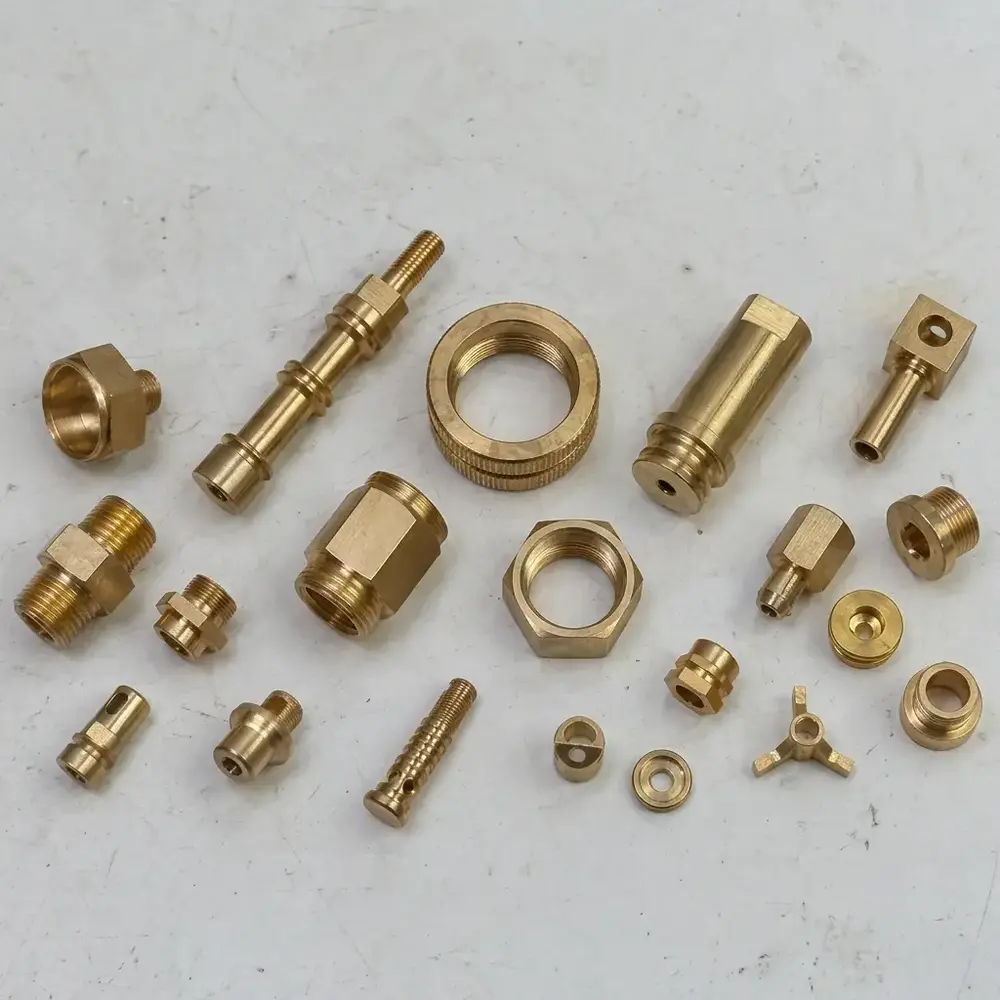
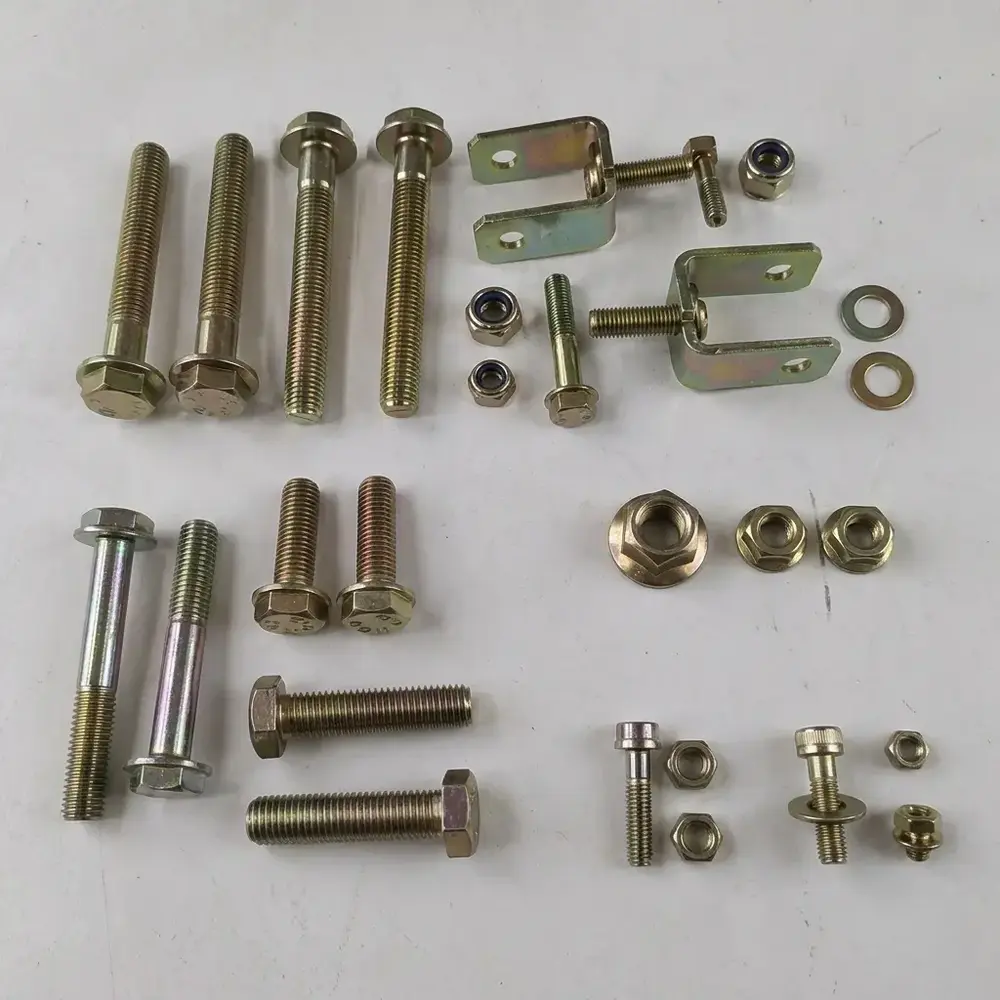
Terminal Block Parts from dipak sales are precision metal components for electrical wiring, panel and industrial connection assemblies.
Terminal geometry, material, threads, connection features, tolerances and finish can be developed from customer drawings, samples and approved specifications for OEM production.
Terminal Block Parts for Electrical Panels, Wiring and Industrial Connections
A terminal block is an assembly, and its metal parts have to work with the insulating body, conductors, screws and other interfaces around them. Terminal Block Parts from dipak sales are manufactured as precision metal components for electrical and industrial connection products, with the final geometry defined by the customer requirement drawing, sample or specification.
That makes the product relevant to OEM manufacturers who need a particular terminal insert, conductive element, threaded part or other metal component rather than an off-the-shelf terminal block.
Think About the Part Inside the Assembly
The metal component may be small, but several interfaces can determine whether it fits the finished terminal block correctly. The drawing can therefore control the details below.
- Terminal body or conductive-element profile
- Overall dimensions and critical diameters
- Thread form and thread size where applicable
- Connection hole, slot or bore geometry
- Position of the part within the insulating body
- Surface treatment or plating requirement
Material Selection for Terminal Components
dipak sales has expertise in lead-free brass alloys, low-lead brass alloys, ETP Copper, Aluminum, Phosphor Bronze and copper alloys. The appropriate material should be specified against the terminal component's actual design and applicable material standard.
Market examples show terminal block manufacturers offering brass, copper and aluminum options, custom thread forms, customer-defined dimensions and finishes such as tin, nickel, silver or other treatments. These are useful RFQ categories, but the exact material and finish for a dipak sales component should come from the approved customer requirement.
Threads and Mechanical Interfaces
| Feature | Design question |
|---|---|
| Thread | Which thread standard and size must mate with the specified screw or hardware? |
| Conductor interface | How does the terminal component receive or secure the conductor? |
| Housing interface | Which dimensions locate the metal part inside the insulating body? |
| Fixing feature | Are there holes, slots, shoulders or other locating details? |
| Finish | Is a particular plating or surface treatment required? |
Different Parts Can Need Different Processes
dipak sales has capabilities including turning, drilling, milling, tapping, precision machining, sheet metal stamping and finishing. A turned terminal insert may therefore follow a different manufacturing route from a stamped connection piece or a machined component with multiple threaded features.
The production method is selected after the geometry is understood. This keeps the process aligned with the component rather than using one standard sequence for every terminal block part.
Where Terminal Block Parts Are Found
Terminal blocks are used in wiring boards, panel boards, control equipment and industrial electrical connection systems. Industry suppliers also position terminal components for electrical, electronics, telecommunications and industrial applications, with custom parts commonly developed from drawings or samples.
Because the finished terminal block determines the electrical function, dipak sales does not assign a universal ampere or voltage rating to an individual custom metal part unless that information is included in the customer requirement approved specification.
From Sample to Repeat Component
A sample can be useful when an existing terminal block part needs to be reproduced or adapted. A production drawing is preferable because it identifies tolerances, thread details and other controlled characteristics that may not be obvious from visual inspection.
Once the component definition is approved, the same reference can be used for repeat orders. This is particularly useful for OEMs that need the metal part to remain compatible with an established terminal block assembly.
Quality Checks That Relate to Assembly
dipak sales is certified to ISO 9001:2015 for manufacturing precision metal components. The documented measurement equipment includes digital micrometers, vernier calipers, height gauges, depth gauges, dial indicators, bore gauges, thread plug gauges, thread ring gauges and other measuring instruments.
For terminal block parts, the inspection focus can be selected around the features that influence fastening, conductor connection and fit within the housing.
Useful RFQ Information
For a technical review, a customer can provide the drawing or sample together with the material requirement, thread specification, critical dimensions, finish, quantity and details of the mating or insulating component. Where a particular international standard applies, that requirement should also be identified.
Frequently Asked Questions
What types of terminal block parts can be manufactured?
The feasible part type depends on the supplied design. dipak sales can review turned, drilled, milled, tapped, stamped or otherwise precision-manufactured metal components for terminal block assemblies.
Can terminal parts be made in lead-free brass?
Lead-free brass alloys are part of dipak sales material expertise. The exact alloy should be confirmed against the approved material specification.
Can threads be made to a customer standard?
Yes. Thread requirements can be manufactured according to the approved drawing and specified thread standard, subject to technical feasibility.
