
Recent Products

SS and MS Precision Parts
SS and MS Precision Parts
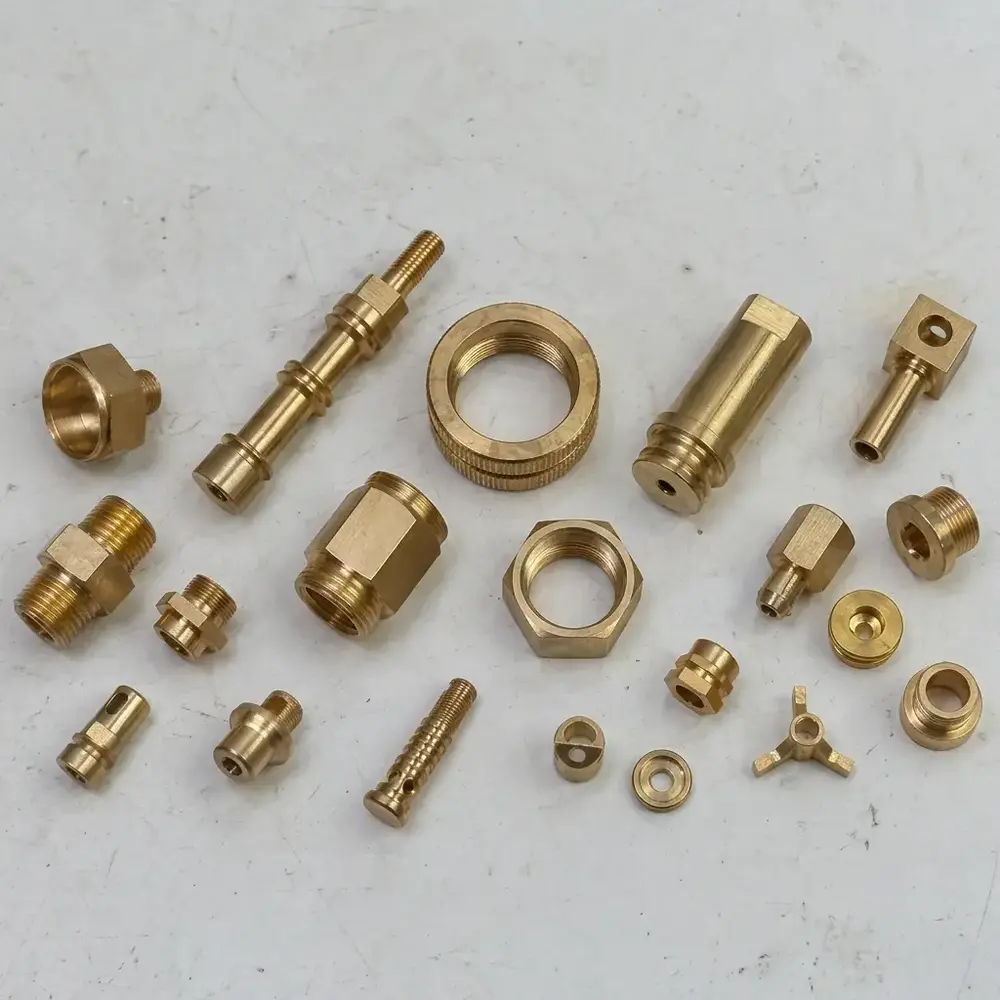
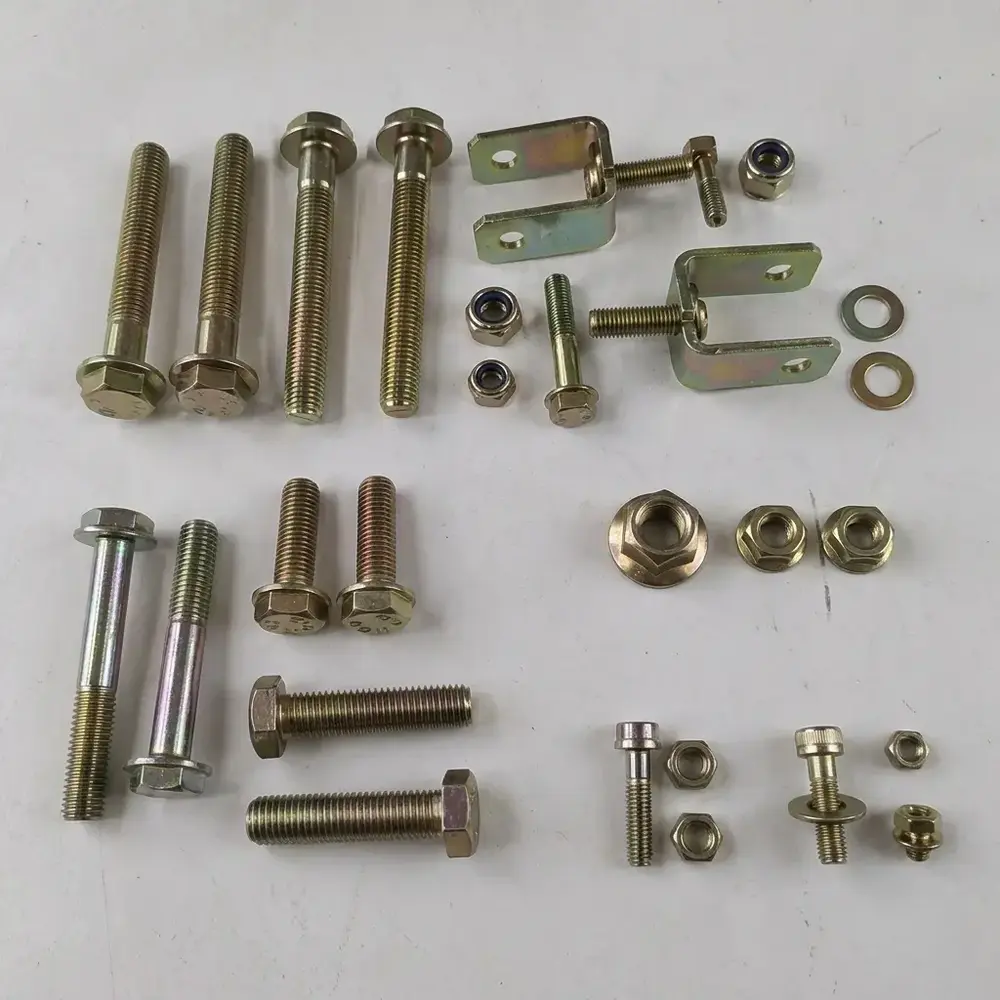
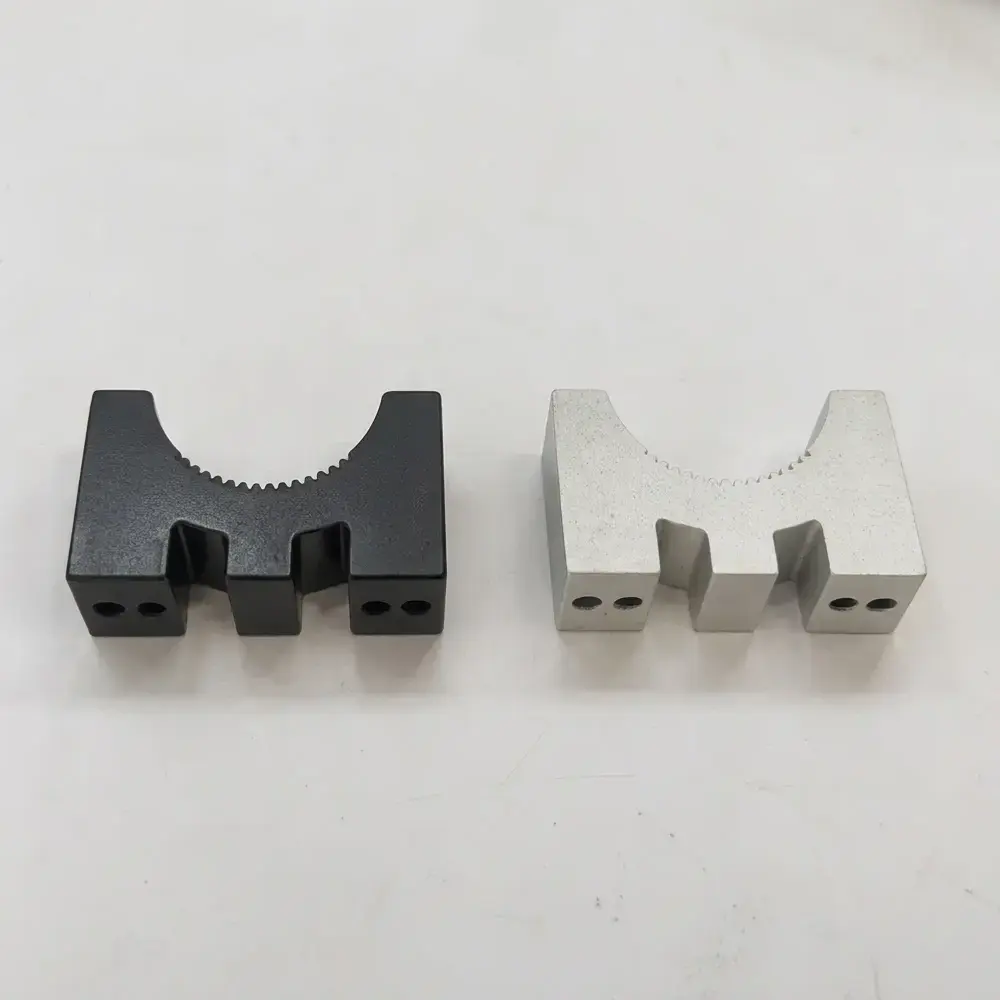
SS and MS Precision Parts from dipak sales are custom machined components produced to customer drawings and specifications, with turning, drilling, milling and tapping selected according to the geometry.
Material grade, critical dimensions, threads, finishing and inspection requirements can be defined for OEM and industrial component requirements.
SS and MS Precision Parts for Drawing-Based Component Requirements
SS and MS Precision Parts from dipak sales are custom metal components developed around the dimensions, material specification and functional features defined by the customer. Depending on the part geometry, production can involve turning, drilling, milling, tapping or a combination of precision machining operations.
Stainless steel and mild steel components can serve very different engineering requirements, so the material grade should be confirmed with the drawing or purchasing specification. The same approach applies to threads, holes, surface requirements and critical dimensions: the finished component is manufactured against the approved requirement rather than a generic size range.
What Can Be Manufactured?
| Component requirement | Possible machining consideration |
|---|---|
| Round or stepped profiles | Turning can establish controlled diameters, shoulders and other rotational features. |
| Holes and bores | Drilling or related precision machining can produce defined internal features. |
| Threads | Tapping or suitable thread machining can be used where specified. |
| Flats, slots or pockets | Milling can add features that extend beyond the primary profile. |
| Combined geometry | Multiple machining operations can be arranged around the completed part. |
| Surface requirement | Finishing or coating can be considered when included in the approved specification. |
Material Specification Comes First
For an SS or MS component, the required material grade should be stated clearly on the drawing or enquiry. This is particularly important when the component will be used in a controlled OEM assembly, because the material designation is part of the product definition.
Jamnagar precision-component manufacturers commonly offer stainless steel and mild steel components in drawing-based CNC production, with turning, milling, drilling, threading and customer-defined finishes used according to the component design.
Built Around the Actual Component
dipak sales documents Turning, Drilling, Milling, Tapping and Precision Machining among its manufacturing services. This makes it possible to consider the complete geometry before deciding how the part should be produced.
A component may begin with a turned profile and then receive a drilled hole or milled flat. Another may require several machined faces and tapped connections. The appropriate sequence depends on the drawing, quantity and required characteristics.
Where SS and MS Parts Can Be Used
Depending on the customer's design, stainless steel and mild steel precision parts can form part of automotive equipment, electrical and electronic assemblies, hydraulic systems, industrial machinery, fastening and fixture assemblies, instrumentation and other engineered products.
dipak sales lists automotive, electrical and electronics, fastening and fixtures, telecommunications, agriculture, hydraulics, medical technology, energy and data-center applications among the industries it serves.
Surface Finish and Secondary Processing
Where the drawing calls for additional treatment, dipak sales documents processes including heat treatment and annealing, vibratory bowl finishing, buffing, part finishing, plating, lacquer finish, powder coating and other coating processes. The applicable process should be selected from the customer's approved requirement.
Inspection Based on Critical Features
dipak sales operates an ISO 9001:2015 Quality Management System with a certified scope for the manufacture of precision metal components.
Documented measuring resources include digital micrometers, vernier calipers, height gauges, depth gauges, dial indicators, bore gauges, thread plug gauges, thread ring gauges, digital measuring instruments, thread measuring equipment and alignment measuring tools. Inspection can therefore be directed toward the dimensions and interfaces that matter for the individual SS or MS component.
For a Custom SS or MS Part Enquiry
- Share the 2D drawing, 3D model or physical sample.
- Specify the stainless steel or mild steel grade.
- Mark critical dimensions and tolerances.
- Provide thread, bore, hole or machined-feature details.
- State the required finish or treatment, if applicable.
- Confirm quantity and whether repeat production is expected.
Frequently Asked Questions
Can SS and MS precision parts be manufactured from customer drawings?
Yes. The component can be reviewed from a drawing, sample or defined specification before production.
Can one SS or MS part require turning and milling together?
Yes. Multiple machining operations can be combined when the finished geometry contains both rotational and non-rotational features.
Can the required steel grade be specified by the customer?
Yes. The applicable stainless steel or mild steel grade should be stated in the approved drawing or purchasing specification for the component.
