
Recent Products
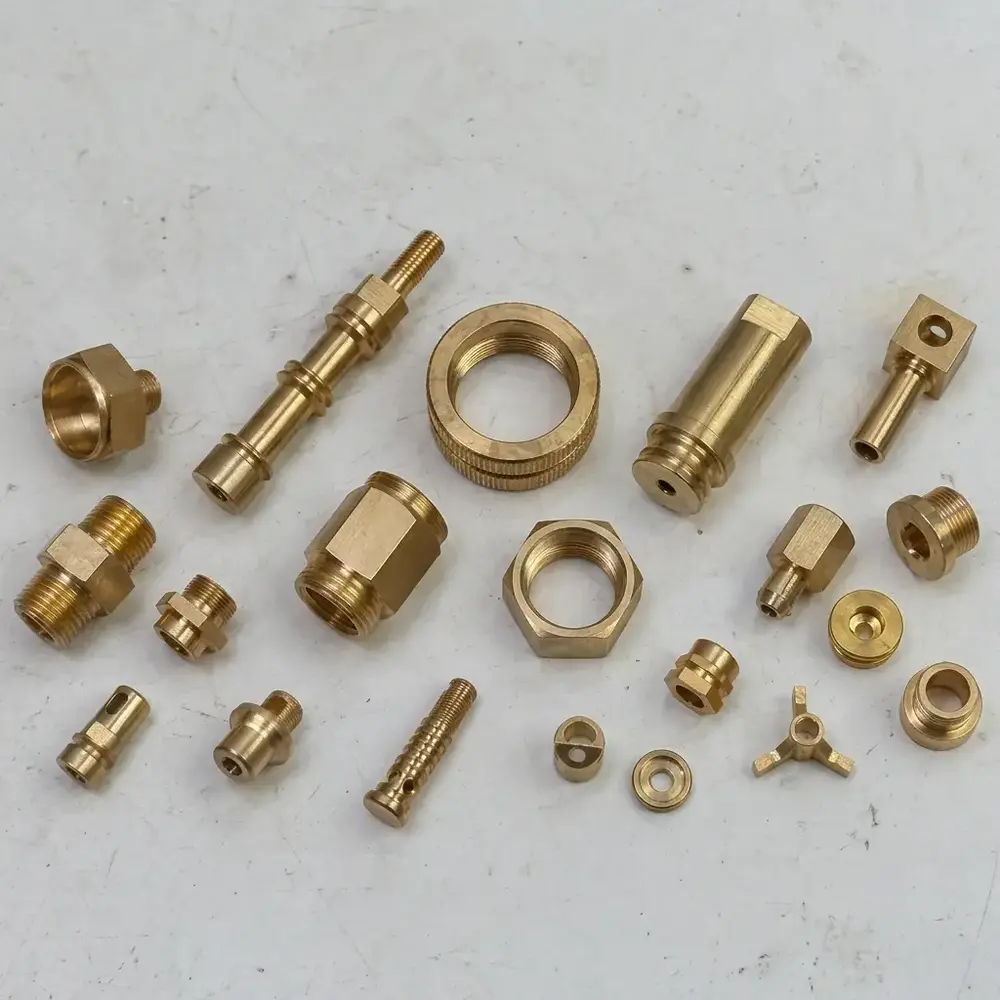
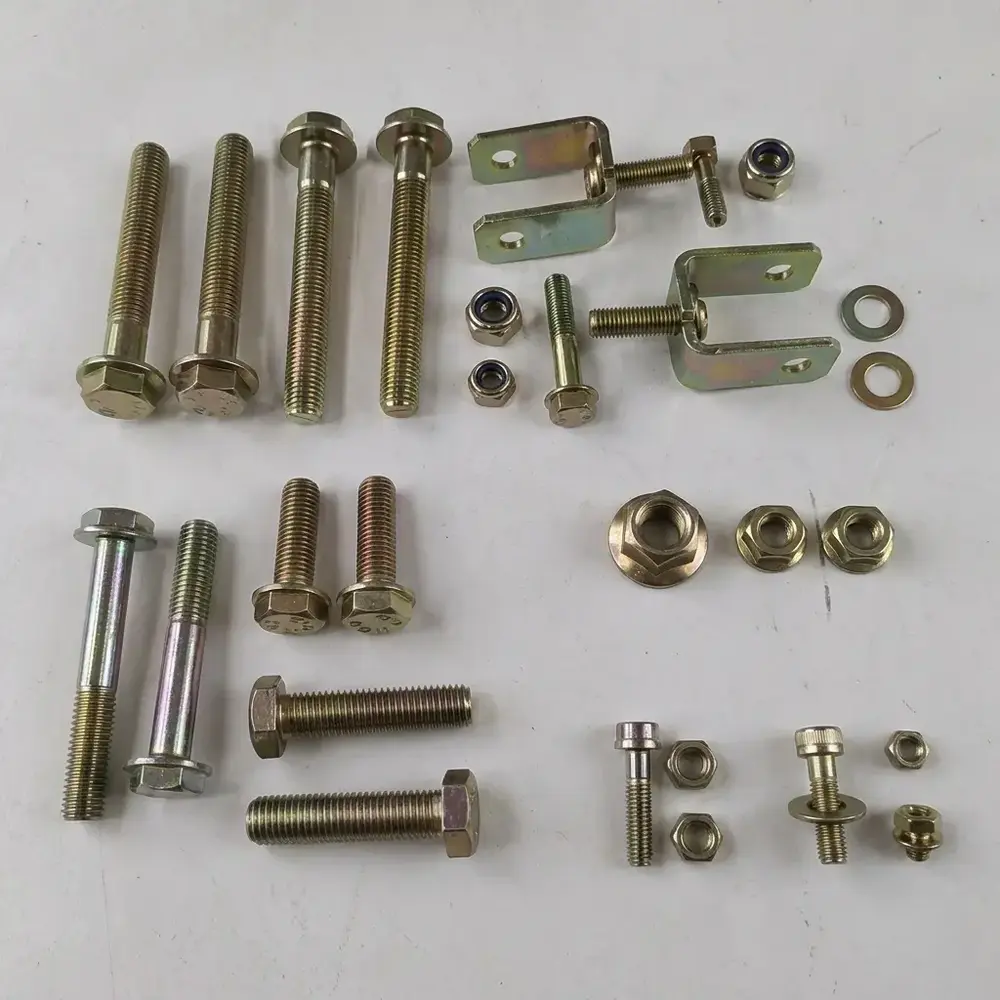
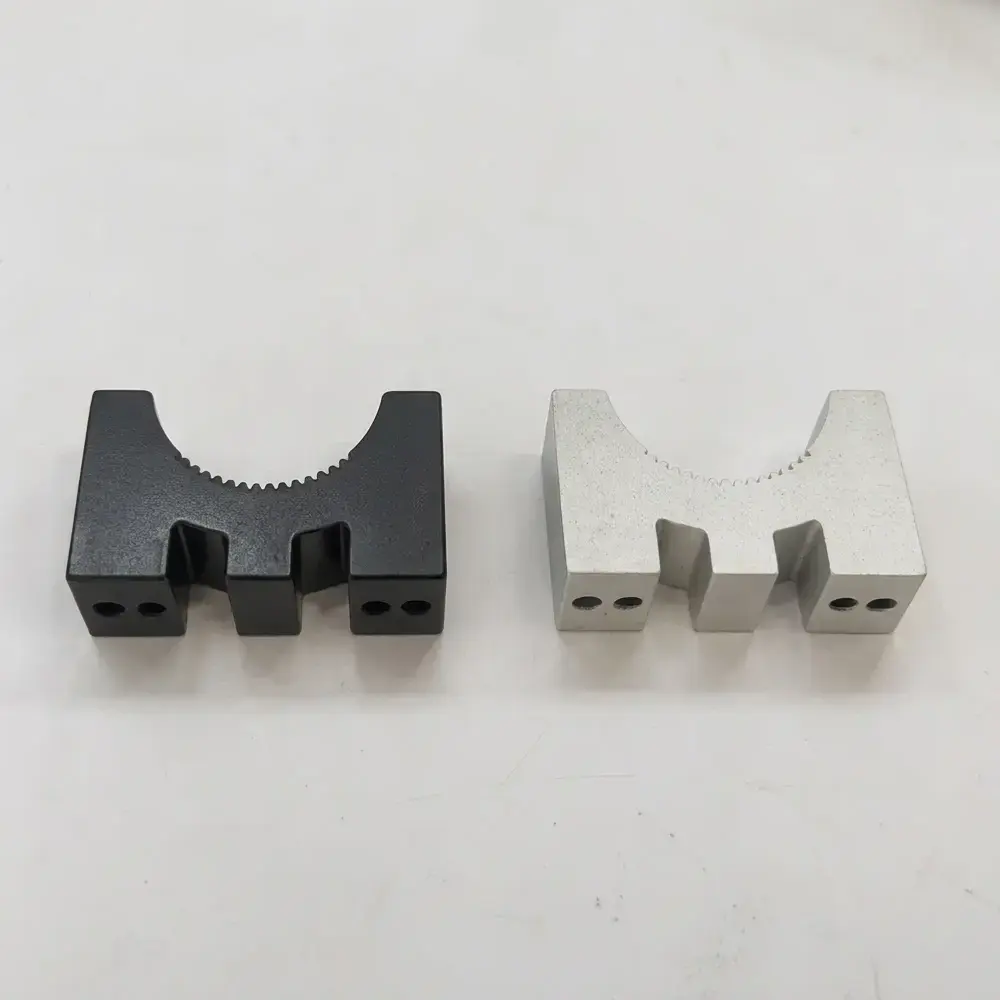

Automobile & Sensor Components
Proximity Sensor Body
Proximity Sensor Body from dipak sales is a precision metal housing manufactured around the sensor assembly, mounting interface and approved component drawing.
Outer profiles, internal bores, threads, shoulders, tolerances, materials and finishes can be specified for industrial and automotive sensor applications.
Proximity Sensor Body for Precision Sensor Housings
A Proximity Sensor Body is the mechanical housing that surrounds and locates the sensing assembly. Its job is not only to provide an outer shape; the body can also establish the position of internal components, mounting features and the sensing face. dipak sales can manufacture proximity sensor bodies as precision metal components from customer drawings, samples and defined specifications.
The Housing Is Designed Around the Internal Assembly
A sensor body may look like a simple cylindrical component, but its functional dimensions can include an internal bore, threaded mounting section, shoulder, groove, sensing-face position and other interfaces. These relationships are best captured in the component drawing before production begins.
- Outer body diameter and profile
- Overall body length
- Internal bore or cavity dimensions
- Mounting and thread geometry
- Shoulders, grooves or retaining features
- Front sensing-face interface
- Material and surface-finish requirement
Housing Features and Their Role
| Body feature | Why it matters |
|---|---|
| Outer profile | Provides the physical envelope and mounting interface for the sensor assembly. |
| Internal bore | Controls the space and fit available for internal sensing components. |
| Mounting thread | Allows the sensor body to interface with the specified equipment or bracket where applicable. |
| Shoulder or groove | Can locate, retain or separate internal/external components according to the design. |
| Front face | Provides the defined interface around the sensing element. |
| Surface finish | Follows the mechanical, environmental or procurement requirement specified for the housing. |
Material Choice Depends on the Sensor Design
dipak sales has documented expertise in Aluminum, ETP Copper, Phosphor Bronze, lead-free brass alloys, low-lead brass alloys and copper alloys. The suitable material for a proximity sensor body should be taken from the customer requirement approved specification rather than assumed from the word “sensor.”
Where a surface treatment is required, the company also lists anodizing, plating, coating, buffing and part finishing among its capabilities. The exact treatment should be defined by the finished sensor's engineering and environmental requirements.
Manufacturing the Body Around Its Interfaces
The process route for a sensor body depends on the relationship between the outer profile and internal features. Turning and precision machining can be appropriate for cylindrical bodies, while drilling, milling or tapping can be added for holes, slots and threaded interfaces.
dipak sales also has capabilities in sheet metal stamping, forging and casting. The suitable process should be selected from the actual housing design, material and production quantity rather than assuming one manufacturing method for every sensor body.
Where Proximity Sensor Bodies Are Used
Proximity sensor housings can form part of industrial automation equipment, machinery, automotive sensor assemblies and other systems where a sensing element requires a defined mechanical enclosure and mounting arrangement.
The sensor body itself does not determine the sensing distance, electrical output, operating voltage or protection rating of the finished sensor. Those characteristics belong to the complete sensor design and should be specified by the customer when relevant.
Prototype, Sample or Production Housing
A physical sample can help identify an existing housing, but a controlled drawing is more useful for production because it can record internal dimensions, thread specifications and tolerances that cannot reliably be inferred from appearance alone.
For repeat OEM requirements, the approved housing drawing can remain the reference for production and inspection. This provides a consistent definition for the metal body that needs to accommodate the sensor assembly.
Checking the Interfaces
dipak sales is certified to ISO 9001:2015 for manufacturing precision metal components. Documented inspection resources include digital micrometers, vernier calipers, height gauges, depth gauges, dial indicators, bore gauges, thread plug gauges, thread ring gauges and other dimensional measuring equipment.
For a proximity sensor body, inspection can be centered on the interfaces that influence assembly: outer dimensions, bore dimensions, thread features, shoulder positions and other critical characteristics shown on the approved drawing.
What Helps With a Sensor Housing Enquiry?
A 2D drawing, 3D model or representative sample is a useful starting point. The enquiry should also identify the material grade, critical tolerances, thread details, finish and quantity. If the body has a defined relationship with an internal sensing element or connector, that interface information can help establish the manufacturing requirement.
Frequently Asked Questions
Can dipak sales manufacture a proximity sensor body to drawing?
Yes. The housing can be reviewed as a drawing-based precision metal component, including its material, outer profile, internal features, threads and critical dimensions.
Can internal bores and mounting threads be included?
Yes. Internal bores, threaded features and other machined interfaces can be considered according to the approved design and manufacturing feasibility.
Is aluminum available for sensor bodies?
Aluminum is part of dipak sales material expertise. The exact grade should be specified according to the sensor manufacturer's approved requirement.
