
Recent Products

Electrical & Connection Components
EV Pins
EV Pins from dipak sales are precision contact components for electric vehicle charging and connector assemblies, produced around approved drawings, samples and technical specifications.
Contact geometry, material, critical dimensions and surface treatment can be defined for the intended mating interface and repeat OEM production.
EV Pins for Electric Vehicle Charging and Connector Assemblies
EV Pins are the conductive contact elements inside an electric vehicle connector or charging assembly. The pin is part of a mating system, so its useful specification is defined by the connector geometry around it: contact profile, mating dimensions, body features, material and any specified surface treatment. dipak sales manufactures precision metal components against customer drawings, samples and defined technical requirements.
For an EV component, a buyer normally needs more than a product name. The manufacturing drawing should identify the features that establish the electrical and mechanical interface. That makes the component suitable for the actual connector design rather than a generic pin dimension.
What an EV Pin Drawing Needs to Establish
| Drawing information | Purpose in the finished connector |
|---|---|
| Contact profile | Defines the mating portion of the pin and its relationship with the corresponding contact. |
| Critical diameters and lengths | Control fit inside the connector and the position of the contact. |
| Grooves, shoulders or retaining features | Locate the pin within its housing or support arrangement when required. |
| Material grade | Identifies the approved metal and material standard for the application. |
| Surface treatment | Defines plating or another finish when specified for the contact. |
| Dimensional tolerances | Set the limits for features that affect mating and repeat production. |
Contact Material Is Not a One-Size-Fits-All Decision
dipak sales has expertise in ETP Copper, Aluminum, Phosphor Bronze, lead-free brass alloys, low-lead brass alloys and copper alloys. The material for an EV pin should be selected from the approved connector specification. The product name alone is not enough to determine the correct alloy.
The same applies to plating. EV connector manufacturers use different contact and surface requirements depending on the connector architecture and intended service. dipak sales can include plating, coating or other finishing processes when they are part of the approved manufacturing specification.
How the Pin Is Made Depends on Its Shape
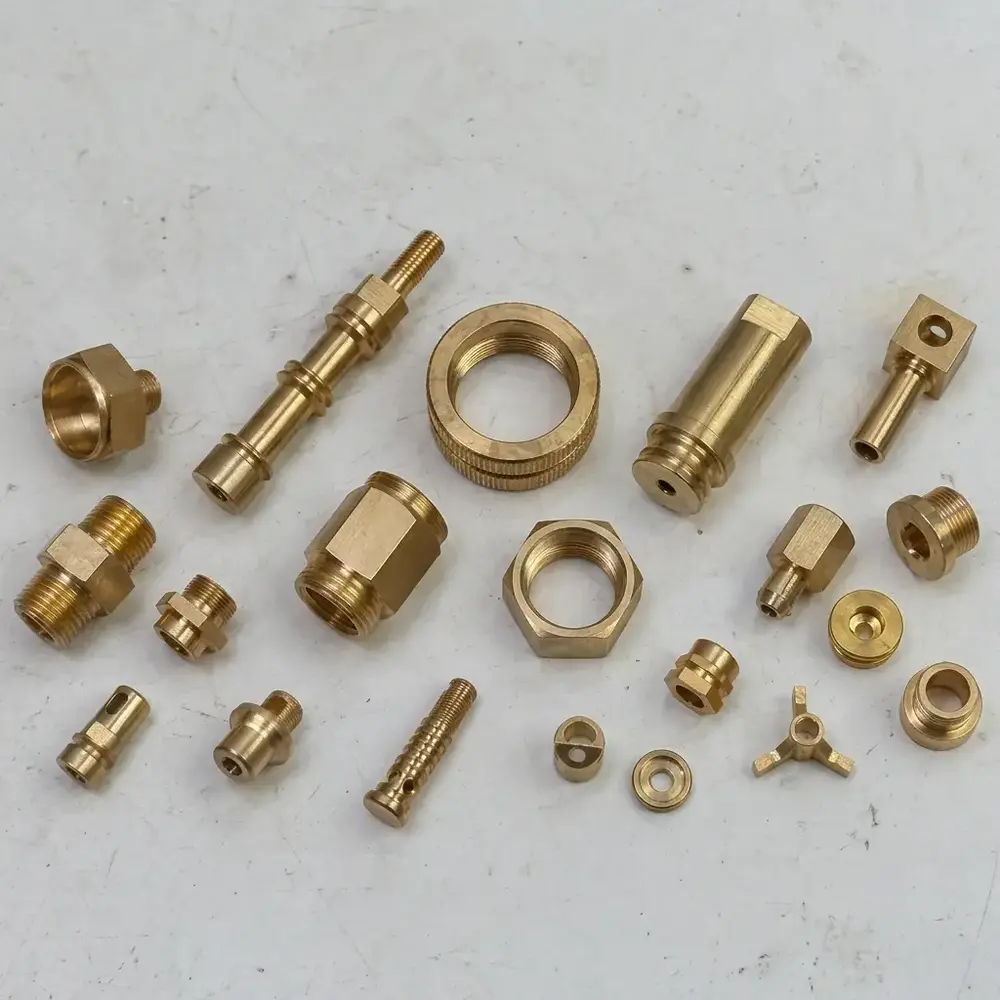
A pin with a predominantly turned profile may require a different production sequence from a contact with cross-holes, slots, threads or additional milled features. dipak sales supports turning, drilling, milling, tapping and precision machining, allowing the process route to be selected from the actual drawing.
This is particularly relevant for OEM work where the same contact must be reproduced over multiple production batches. The approved drawing can remain the reference for the manufacturing and inspection characteristics.
EV and Charging Applications
EV contact pins can form part of vehicle charging connectors, charging guns, charging interfaces and other electrical connection assemblies. Current EV connector documentation also shows that contact positions and dimensions can vary by function, which is why the connector standard and approved design should control the final pin geometry.
dipak sales does not assign a universal voltage, current or temperature rating to a custom EV pin. Those values belong to the finished connector or equipment specification and should be supplied by the customer where applicable.
Inspection Around the Mating Features
dipak sales operates an ISO 9001:2015 certified Quality Management System for manufacturing precision metal components. Documented inspection resources include digital micrometers, vernier calipers, height gauges, depth gauges, dial indicators, bore gauges, thread plug gauges, thread ring gauges and other measuring equipment.
For an EV pin, inspection can be planned around the dimensions that establish the mating interface, together with any other critical characteristics identified on the approved drawing.
Before an EV Pin Goes Into Production
- Provide the component drawing or representative sample.
- Identify the approved material and applicable standard.
- Mark the dimensions that control the mating interface.
- Specify plating or surface treatment where required.
- Provide information about the mating contact or connector where it affects the part.
- Confirm prototype, batch or repeat-production quantity.
Questions About Custom EV Pins
Can dipak sales manufacture EV pins from a drawing?
Yes. Drawing-based precision manufacturing is supported. The material, contact geometry, critical dimensions and finishing requirement can be reviewed before production.
Can a sample be used for an EV pin enquiry?
Yes. A sample can be used as a reference for technical evaluation, while the approved drawing or dimensional specification should define the final production requirement.
Can the pin be supplied with a specified plating?
Yes, when the plating or other surface treatment is part of the approved component specification.
