
Recent Products

Copper Precision Components
Copper Precision Turning Parts
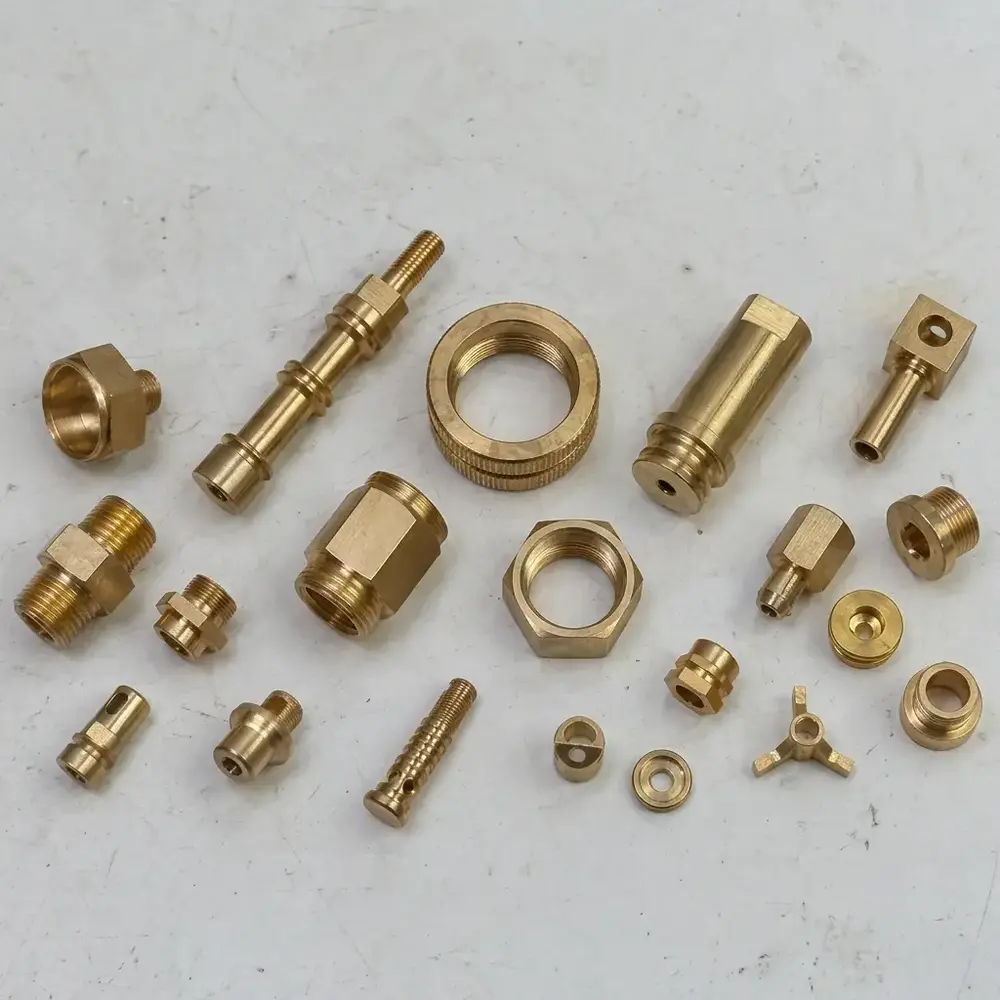
Copper Precision Turning Parts from dipak sales are precision-machined components with controlled diameters, bores, shoulders and threads. Parts can be manufactured from customer drawings or specifications using ETP Copper and suitable copper alloys.
Turning can be combined with drilling, milling and tapping for additional features required in electrical, automotive, telecommunications and industrial applications.
Copper Precision Turning Parts for Controlled Round Components
When a copper component is built around a diameter, bore or threaded connection, turning can provide the starting geometry with the control needed for the finished assembly. Copper Precision Turning Parts from dipak sales are developed from customer drawings, samples or specifications for applications where the shape, material and mating dimensions need to be clearly defined.
A turned part is rarely just a cylinder. Shoulders may locate another component, a bore may receive a mating piece, and a thread may create the final connection. Those relationships are considered when the component is reviewed for production.
Typical Features on a Copper Turned Part
| Feature | What it can control in the assembly |
|---|---|
| Outside diameter | Fits a mating bore, housing or other cylindrical interface. |
| Shoulder or step | Creates a locating point or controlled stop. |
| Internal bore | Provides clearance or a defined internal mating surface. |
| Thread | Provides a specified fastening or connection interface. |
| Groove or relief | Creates clearance or a locating detail where required by the drawing. |
| Secondary feature | Allows a turned component to receive drilling, milling or tapping after the main profile is produced. |
Choosing the Copper Grade
dipak sales lists ETP Copper and Copper Alloys within its material expertise, alongside Aluminum, Phosphor Bronze and lead-free and low-lead brass alloys. The particular copper grade should come from the approved customer specification because the material is part of the component definition.
For an OEM enquiry, it is better to state the required grade or material standard with the drawing than to leave the requirement as simply “copper.”
Turning With the Operations the Drawing Calls For
The main profile can be produced through turning, while drilling, milling or tapping can be added when the finished part has features outside the turning axis. dipak sales documents Turning, Drilling, Milling, Tapping and Precision Machining among its manufacturing services.
This is useful for parts that start with a round copper blank but finish with a cross-hole, flat, tapped hole or another machined detail. The process sequence is selected from the actual component rather than from a fixed catalogue pattern.
Where the Components Can Be Used
Depending on the finished design, copper turned components may form part of electrical and electronic equipment, automotive assemblies, telecommunications products, energy equipment or industrial machinery. These sectors are included in dipak sales' stated industry coverage.
The performance requirement belongs to the finished application. For that reason, product-specific electrical ratings, temperature limits or other operating values are not assumed without customer documentation.
Finishing After Machining
If the drawing calls for additional treatment, dipak sales has documented capabilities including plating, coating, buffing, part finishing, vibratory bowl finishing, heat treatment and annealing. The applicable process is selected from the component requirement.
Checking the Dimensions That Matter
dipak sales operates an ISO 9001:2015 Quality Management System for the manufacture of precision metal components. Its documented measurement resources include digital micrometers, vernier calipers, height gauges, depth gauges, dial indicators, bore gauges, thread plug gauges, thread ring gauges, digital measuring instruments and thread measuring equipment.
For a turned copper component, inspection can be directed toward diameters, lengths, bores, threads, shoulders and other characteristics identified as important on the approved drawing.
For a Copper Turning Requirement
- Share the component drawing, CAD model or sample.
- Specify the copper grade or applicable material standard.
- Identify critical diameters, lengths, bores and threads.
- State any required finish or plating.
- Confirm the expected quantity and repeat-order requirement.
Frequently Asked Questions
Can dipak sales make copper turned components from a drawing?
Yes. Copper turning requirements can be reviewed from customer drawings, samples and defined specifications.
Can a turned copper part include milling or drilling?
Yes. Additional machining operations can be combined with turning when the finished component requires them.
What copper materials can be considered?
ETP Copper and Copper Alloys are part of dipak sales' documented material expertise. The exact grade should be confirmed for the individual component.
