
Recent Products
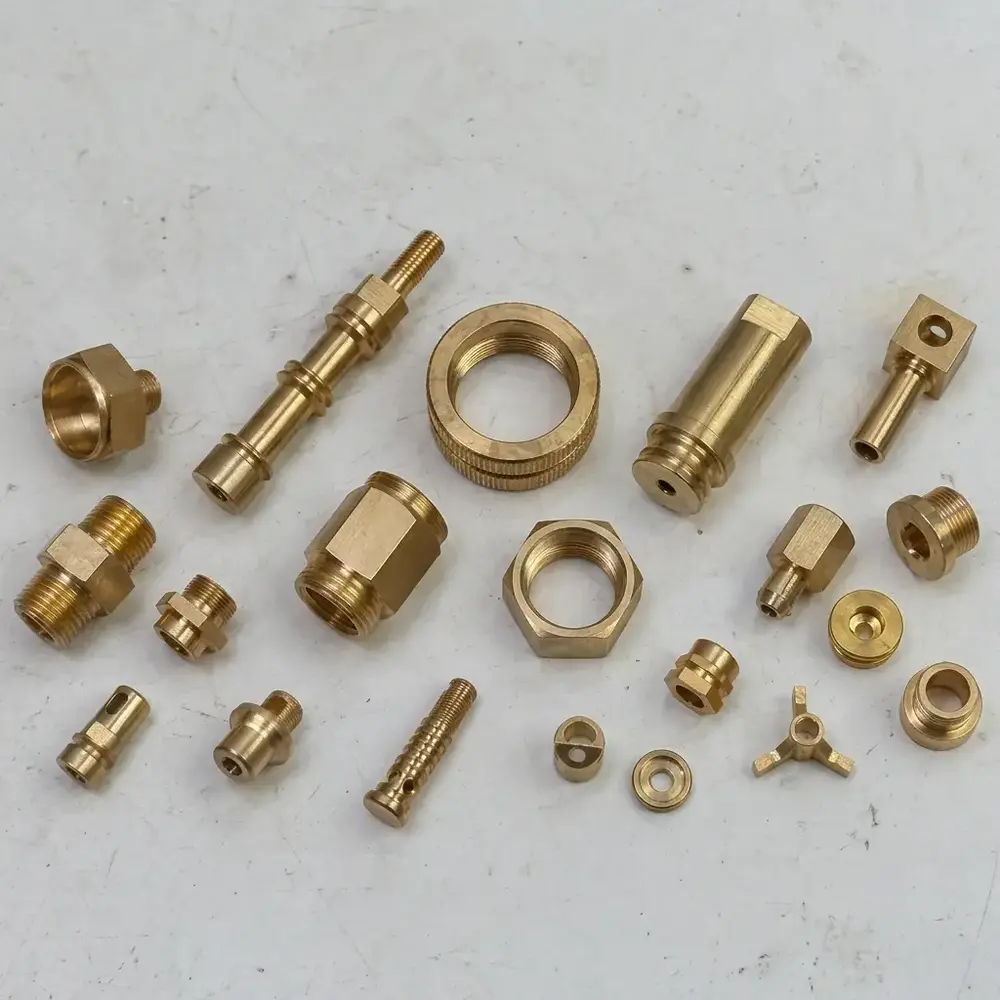
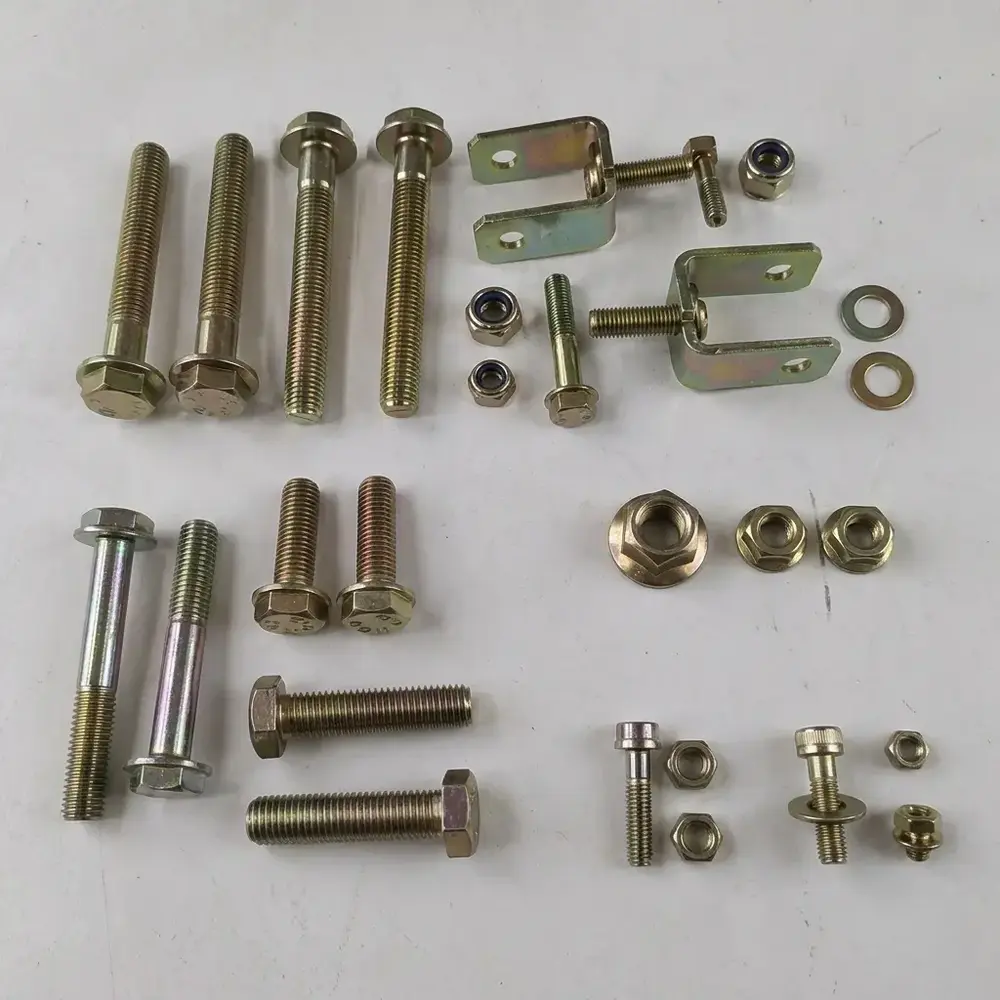
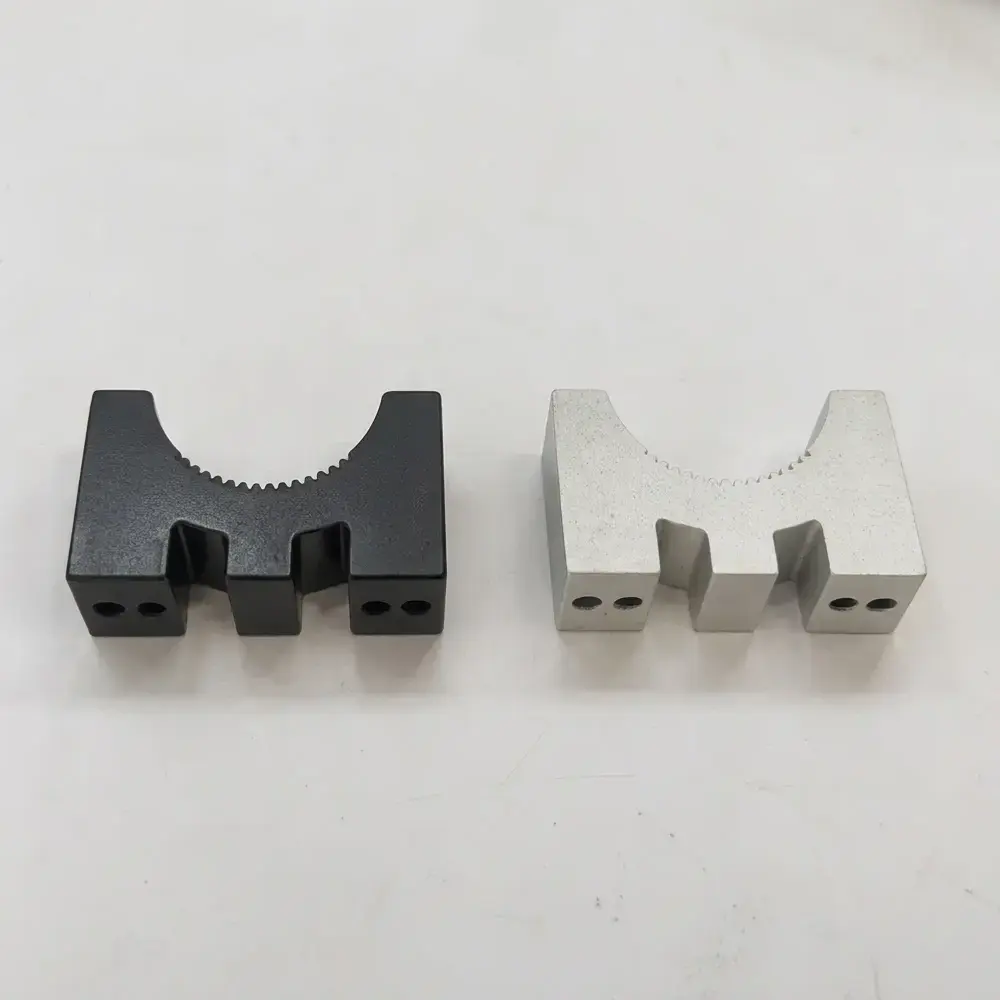

Copper Precision Components
Copper Precision Milling Parts
Copper Precision Milling Parts from dipak sales are machined components with accurately positioned flats, slots, pockets, holes and threaded features. ETP Copper and copper alloys can be manufactured according to customer drawings, samples or specifications.
Milling can be combined with turning, drilling and tapping for electrical, automotive, telecommunications and industrial components.
Copper Precision Milling Parts for Slots, Pockets and Multi-Face Features
Some copper components need more than a turned profile. A flat may be required for positioning, a pocket may provide clearance, or several holes may have to sit at defined locations. Copper Precision Milling Parts from dipak sales are produced around these kinds of drawing-controlled features, with milling combined with other operations when the completed part requires it.
A Milling Drawing Should Tell the Whole Story
For a milled component, feature location is often as important as feature size. A hole can be the correct diameter and still be wrong if it is positioned incorrectly. The same applies to a slot, pocket, flat or tapped hole. The drawing therefore needs to establish the relevant datums, dimensions and tolerances.
- Datum or reference faces
- Slot and pocket width, depth and location
- Hole diameter, depth and position
- Thread type, size and depth
- Machined-face dimensions
- Overall relationship between multiple features
Why Copper Is Used in the Component
dipak sales has documented expertise in ETP Copper and Copper Alloys. The company also works with Aluminum, Phosphor Bronze and brass alloys. The selected copper grade should be specified by the customer according to the finished component's engineering requirement.
Industry copper machining pages commonly position milled parts around drawing or CAD-based manufacturing, with slots, pockets, complex profiles and secondary drilling or tapping used where the component geometry demands it.
When Milling Follows Another Operation
A copper component can begin as a turned blank and then move to milling for features that sit across another face. Drilling and tapping can be added to the same manufacturing route where required.
dipak sales documents Turning, Drilling, Milling, Tapping and Precision Machining, allowing the production sequence to be considered from the finished component rather than treating milling as an isolated operation.
Machined Features for Different Assemblies
Copper milled parts can be incorporated into electrical and electronic assemblies, automotive equipment, telecommunications products, energy systems and industrial machinery. The company's stated industry coverage includes these sectors, while the exact application remains dependent on the customer's component design.
This matters because a mounting pocket, electrical interface or locating surface can each have different functional priorities. The drawing should identify which characteristics are critical.
Surface Treatment Is Specification-Driven
Where required, dipak sales can consider documented finishing capabilities such as plating, coating, buffing, part finishing and vibratory bowl finishing. The treatment is selected from the approved requirement rather than automatically applied to every copper milling part.
How Milled Features Are Checked
dipak sales is certified to ISO 9001:2015 for the manufacture of precision metal components. Documented measuring resources include digital micrometers, vernier calipers, height gauges, depth gauges, dial indicators, bore gauges, thread plug gauges, thread ring gauges, digital measuring instruments, thread measuring equipment and alignment measuring tools.
For a milled copper component, inspection can concentrate on feature location, hole position, pocket or slot dimensions, depths, threads and other drawing-controlled characteristics.
For Prototype and Repeat Production
A 2D drawing or 3D CAD model provides a clear reference for the geometry. A physical sample can also help during technical review. Once the component is approved, its material, feature dimensions and inspection characteristics can remain the reference for repeat production.
Information to Include in the Enquiry
Send the drawing or model together with the copper grade, critical tolerances, hole and thread details, surface requirement and quantity. If the milled features locate or mate with another component, that interface information is useful during technical review.
Frequently Asked Questions
Can custom copper milling parts be manufactured from a CAD model?
Yes. A 2D drawing or 3D CAD model can be reviewed to establish the machining geometry and production requirements.
Can copper milling be combined with turning and tapping?
Yes. Multiple machining operations can be used when the finished component contains both rotational and milled features.
Does dipak sales work with ETP Copper?
Yes. ETP Copper is included in the company's documented material expertise. The required grade should be confirmed against the customer specification.
