
Recent Products
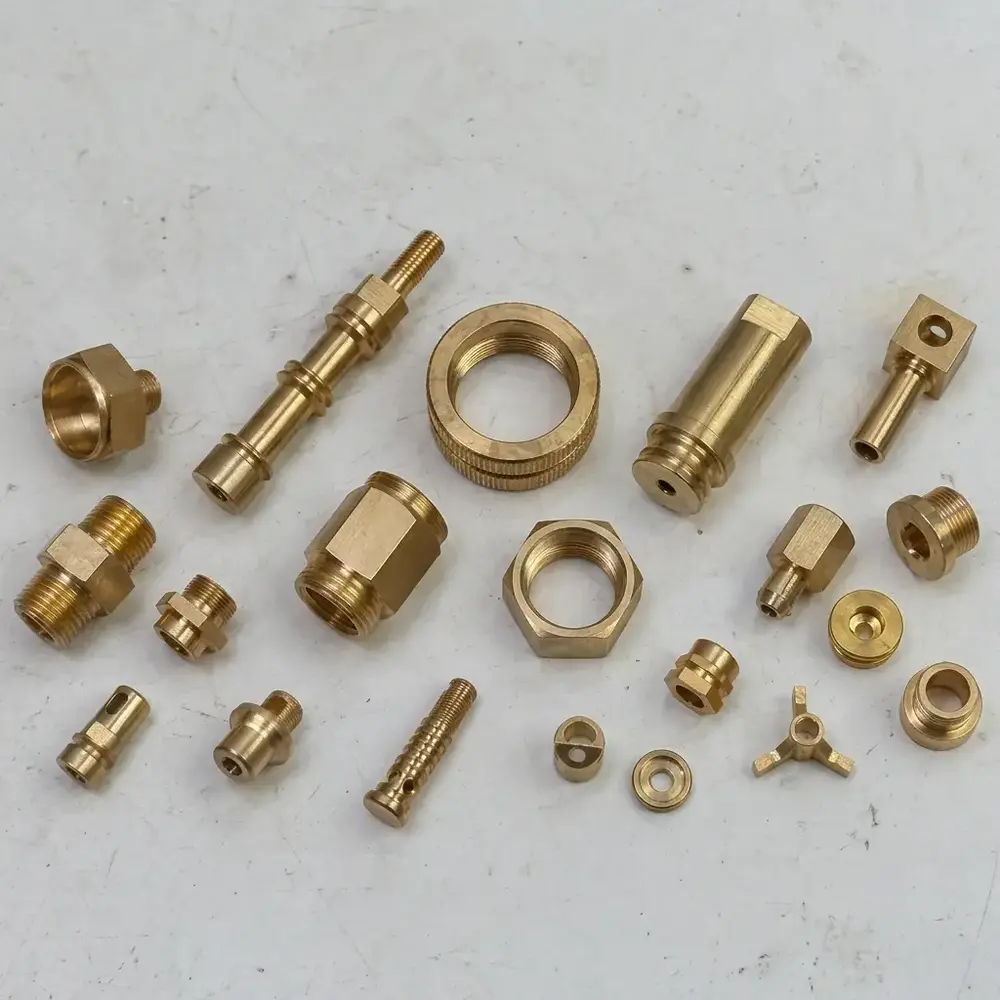
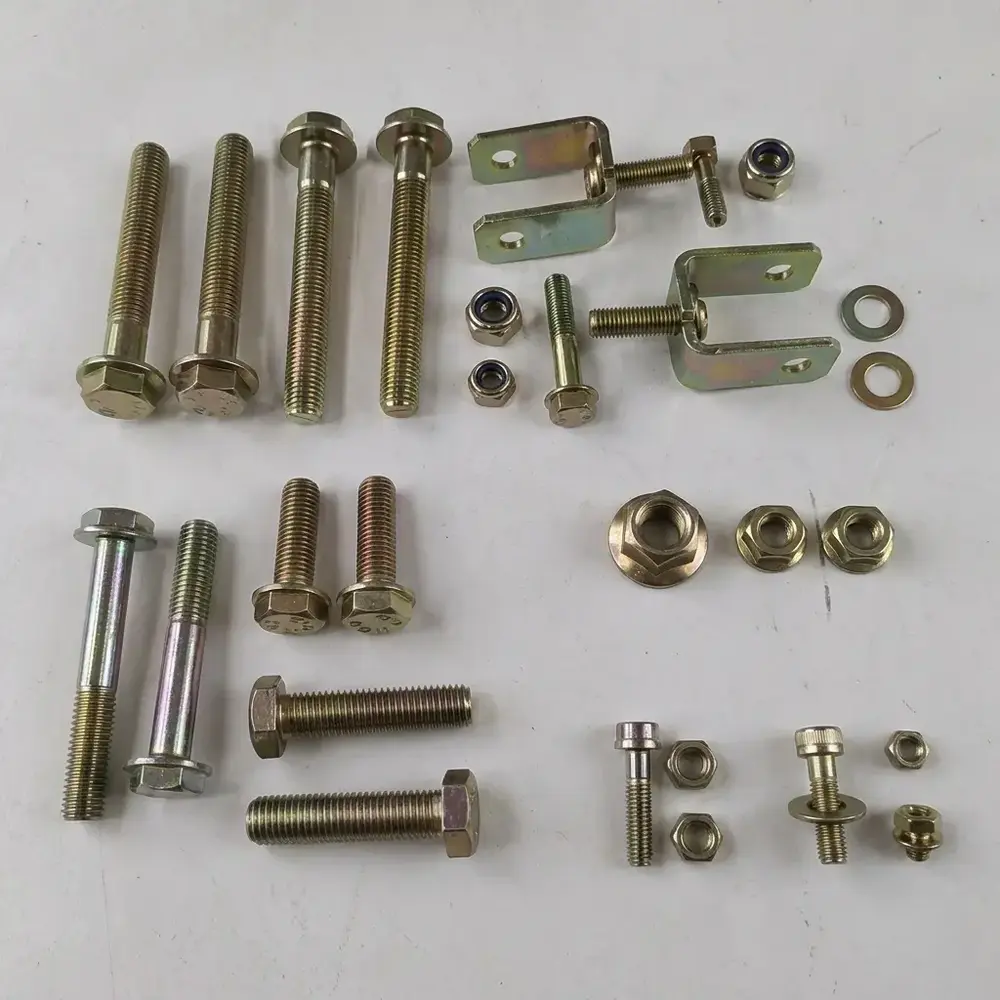
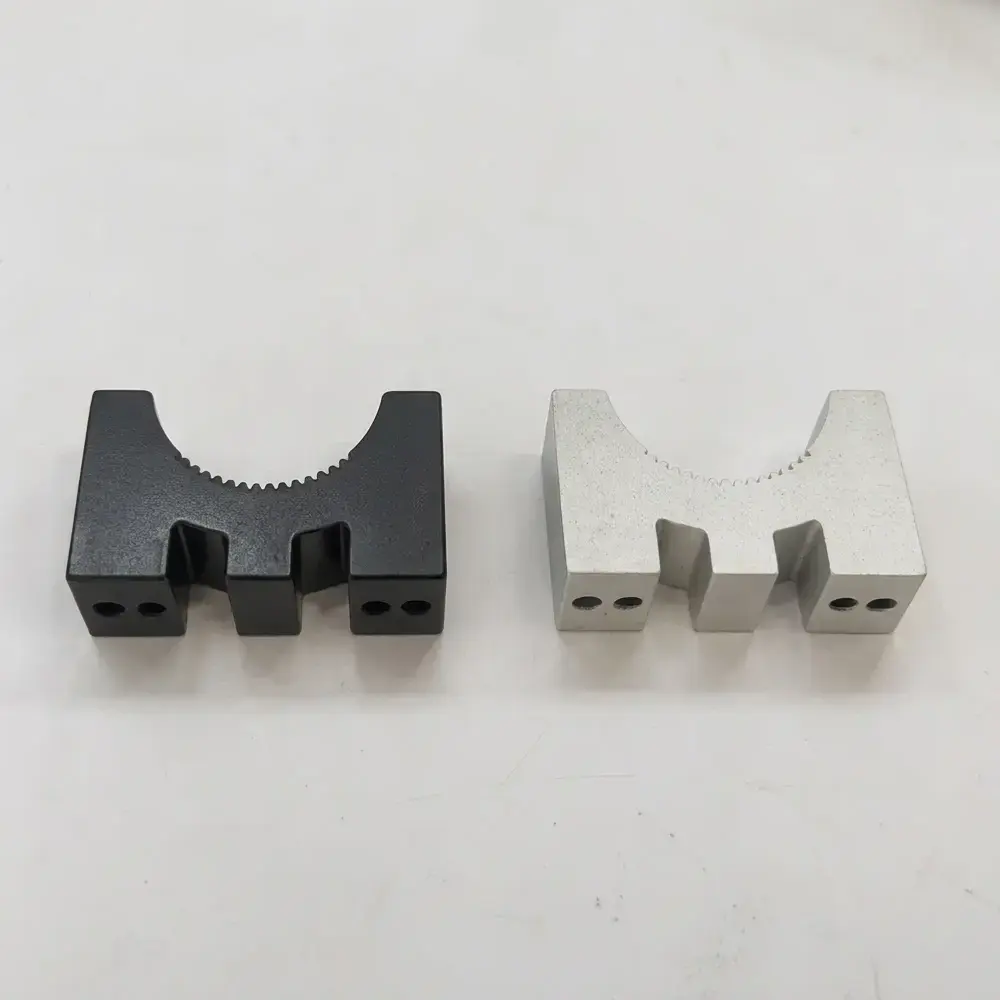

Brass Precision Parts
Brass Precision Milling Parts
Brass Precision Milling Parts from dipak sales are machined to defined requirements for flats, slots, pockets, holes and other complex features.
Brass grade, dimensions, tolerances and secondary machining can be specified for OEM and industrial components.
Brass Precision Milling Parts
Brass Precision Milling Parts from dipak sales are made for components where the required shape includes machined features that cannot be defined by a simple round profile alone. Flats, slots, pockets, cross-holes, drilled patterns and threaded features can all form part of a milled brass component, depending on the finished assembly.
The practical starting point is the part itself: its material, datum points, feature locations and tolerances. From there, milling can be combined with turning, drilling or tapping when the component needs more than one machining operation.
Where Milling Adds Value
Milling is useful when a component needs controlled features across different faces or at specific positions. Typical requirements include:
- Machined flats or steps on a brass component
- Slots, pockets and reliefs
- Cross-holes and drilled patterns
- Threaded holes or other tapped features
- Non-round profiles and shaped surfaces
- Secondary features added to a turned component
This type of drawing-led machining is common among Jamnagar precision-component manufacturers, where brass parts are produced from drawings or samples and may combine turning, milling, drilling and threading for OEM and industrial applications.
Features That Need Attention on the Drawing
| Part detail | What should be defined |
|---|---|
| Datum and feature location | The reference from which the position of a slot, hole, pocket or flat is controlled. |
| Slot or pocket | Width, length, depth and location where applicable. |
| Hole pattern | Diameter, pitch, orientation and position. |
| Thread | Thread type, size, depth and location when a tapped feature is required. |
| Overall dimensions | The dimensions that determine how the machined part fits its mating assembly. |
| Surface requirement | Machined finish or any additional treatment specified for the finished part. |
Brass Grades for the Application
dipak sales has manufacturing expertise in lead-free brass alloys and low-lead brass alloys, along with ETP Copper, Aluminum, Phosphor Bronze and copper alloys. The actual brass grade should be selected from the approved material requirement for the part.
This is important for precision work because the material specification is part of the component definition. A generic “brass” description is not a substitute for the alloy or standard required by the finished product.
One Component, Several Machining Operations
A brass milling part may start as a round blank and then receive a milled flat, drilled hole or tapped thread. Another design may need milling on several faces with additional drilling. dipak sales supports turning, drilling, milling, tapping and precision machining, so the production sequence can be planned around the actual geometry.
The company also documents centerless grinding, heat treatment and annealing, vibratory bowl finishing, buffing, part finishing, anodizing, plating, lacquer finish, powder coating and other coating processes. Only the processes required by the approved component specification need to be included in production.
For Electrical, Automotive and Industrial Components
Brass milled components can become part of electrical hardware, automotive assemblies, industrial machinery, connectors, sensor-related products and other engineered equipment. The final use determines which features deserve the closest control; a mounting slot, for example, has a different functional purpose from a tapped hole or locating shoulder.
dipak sales lists automotive, electrical and electronics, fastening and fixtures, telecommunications, agriculture, hydraulics, medical technology, energy and data-center applications among the industries it serves.
Inspection That Follows the Part
dipak sales operates an ISO 9001:2015 Quality Management System for the manufacture of precision metal components. Its documented measurement equipment includes digital micrometers, vernier calipers, height gauges, depth gauges, dial indicators, bore gauges, thread plug gauges, thread ring gauges, digital measuring instruments, thread measuring equipment and alignment measuring tools.
For a milled component, inspection can be directed toward the dimensions that affect its assembly: feature location, hole size and position, pocket or slot dimensions, depths, threads and other characteristics identified on the part drawing.
When the Same Part Needs to Be Made Again
For repeat orders, the approved part definition gives production and inspection a common reference. Keeping the material, critical dimensions, machining features and finish tied to that definition helps maintain consistency between batches without turning every repeat order into a new development exercise.
What to Send With a Milling-Part Requirement
- 2D drawing, 3D model or physical sample
- Required brass grade or material standard
- Critical dimensions, datums and tolerances
- Details of slots, pockets, holes and threads
- Surface finish or additional treatment, if specified
- Required quantity and expected repeat-order volume
Frequently Asked Questions
Can dipak sales manufacture custom brass milling parts?
Yes. Brass milling requirements can be developed from a drawing, sample or defined technical specification, subject to production feasibility.
Can a brass milling part also include turned features?
Yes. Turning can be combined with milling, drilling and tapping when the component geometry calls for multiple machining operations.
Are lead-free brass alloys available?
Yes. Lead-free brass alloys are part of dipak sales material expertise. The required alloy should be confirmed against the approved material specification.
