
Recent Products

Bus Bars
Brass Bus Bars
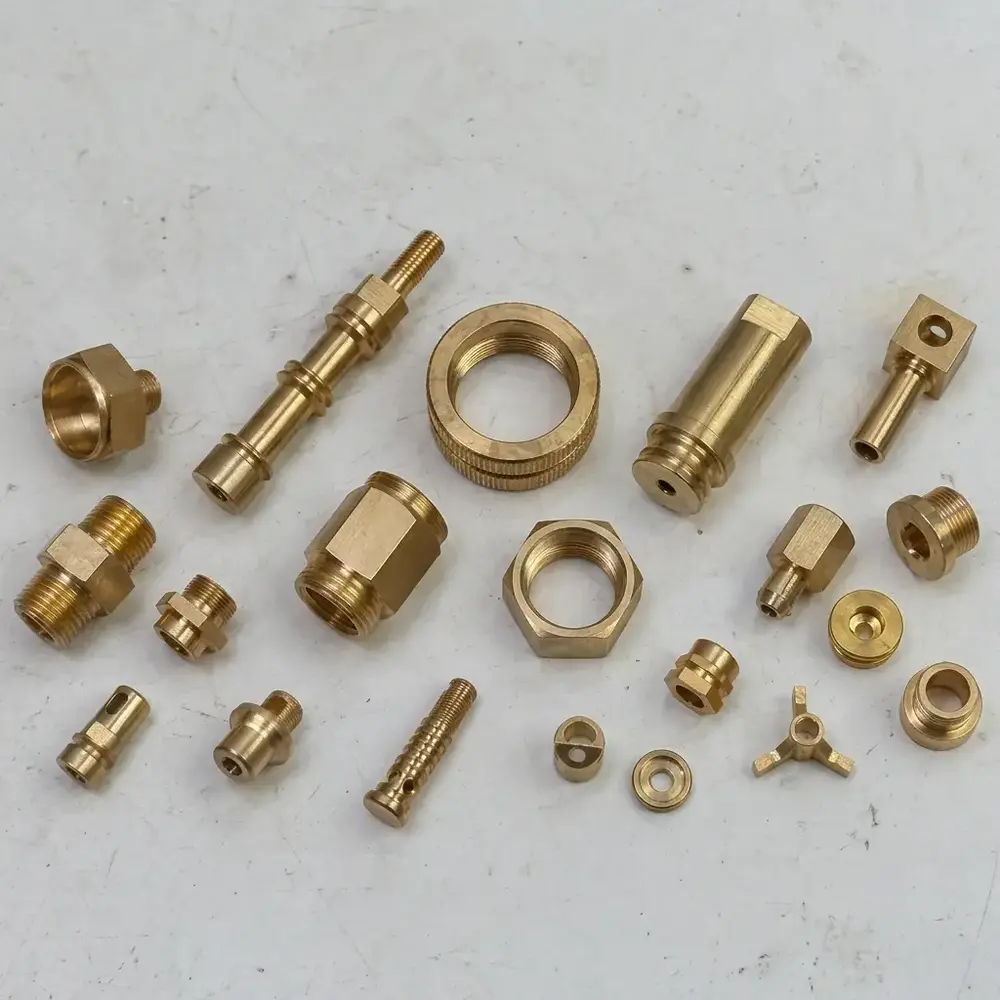
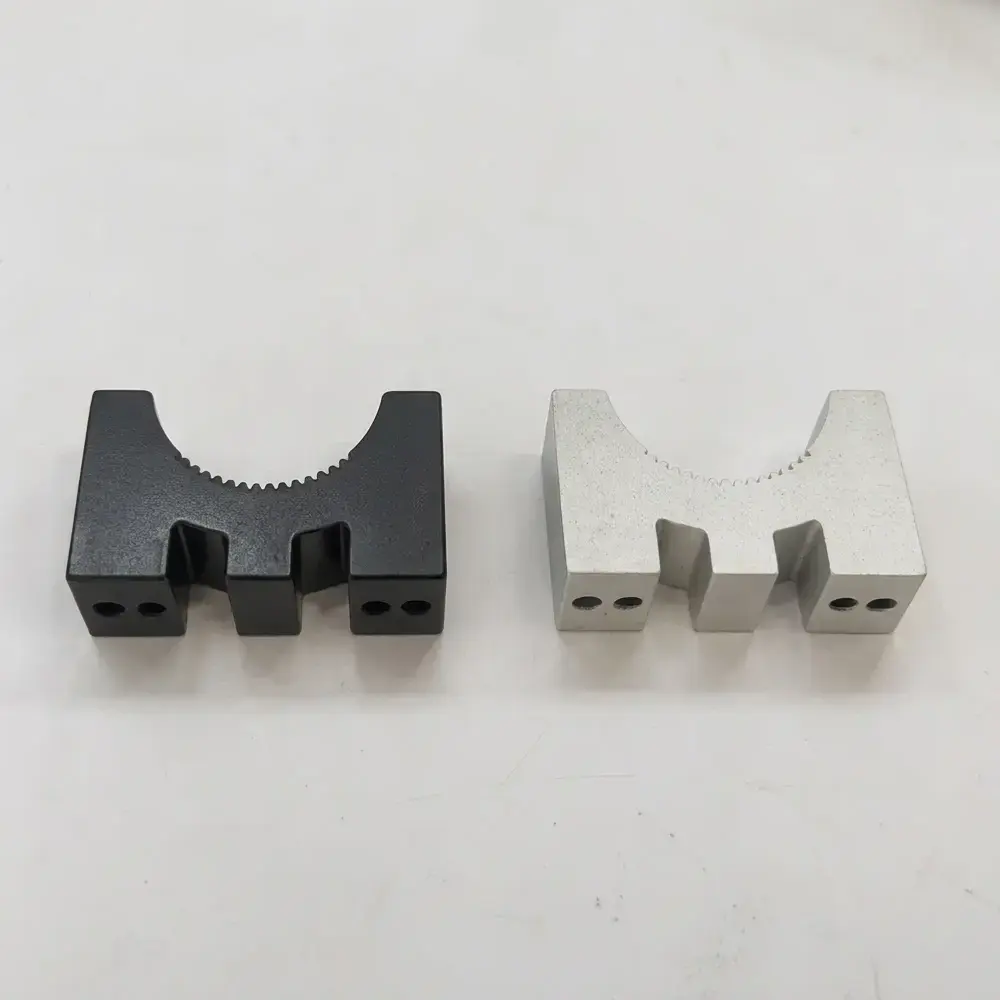
Brass Bus Bars from dipak sales are custom-manufactured electrical connection components developed around customer drawings, samples and defined dimensional requirements.
dipak sales has expertise in lead-free and low-lead brass alloys and supports precision machining, drilling, milling, tapping and finishing processes according to the component design.
Brass Bus Bars Made to Electrical Component Requirements
Brass Bus Bars are used as engineered metal connection components where the material, physical configuration and mounting arrangement need to suit the surrounding electrical assembly. dipak sales approaches these requirements from the component specification, allowing dimensions and features to be developed around the customer drawing or sample.
The company has documented expertise in lead-free brass alloys and low-lead brass alloys, together with precision metal component manufacturing. The appropriate brass material is selected only after considering the approved drawing, material requirement and intended application.
Where the Component Has to Fit
Electrical assemblies can have limited space around terminals, supports and fasteners. A custom bus bar therefore needs to work with the physical layout of the equipment. Important design inputs may include:
- Overall length, width and thickness
- Hole diameter and hole location
- Mounting and connection arrangement
- Required profile or formed geometry
- Dimensional tolerances for critical features
- Material grade and applicable standard
- Surface or finishing requirement, where specified
Brass Material Selection
dipak sales works with lead-free brass alloys and low-lead brass alloys as part of its broader material expertise. The correct alloy should be established from the customer's technical documentation rather than assumed from the product name alone. This is especially important when the component has defined electrical, mechanical, environmental or compliance requirements.
What Manufacturing Can Involve
The manufacturing route depends on the geometry of the individual bus bar. Suitable operations may include:
- Precision machining
- Drilling
- Milling
- Tapping where threaded features are required
- Part finishing
- Plating or other surface processes where included in the approved requirement
This process flexibility is useful for components that are not practical to source as a standard catalogue dimension. The production sequence can be planned around the actual drawing and the features that need to be controlled.
Applications in Electrical Equipment
Depending on the design, brass bus bars can be incorporated into electrical connection assemblies, control equipment, switchgear-related components, panel assemblies and other industrial electrical products. The final use should be evaluated against the electrical and mechanical requirements of the equipment rather than inferred from the material alone.
A Practical Specification Format
| Specification Area | Customer Requirement |
|---|---|
| Component type | Brass Bus Bar |
| Material | Specified brass alloy according to approved documentation |
| Dimensions | As per drawing, sample or agreed specification |
| Connection features | Hole pattern and other features as required by the assembly |
| Tolerance | Critical dimensions identified on the approved drawing |
| Finish | As specified for the component and its intended application |
Quality Control at the Component Level
dipak sales is certified to ISO 9001:2015 for manufacturing precision metal components. Its documented measurement equipment includes digital micrometers, vernier calipers, height gauges, depth gauges, dial indicators, bore gauges, thread plug and ring gauges, coating thickness measurement equipment and other dimensional inspection tools.
For a brass bus bar, the inspection plan can focus on the characteristics that affect fitment and the approved specification. This gives repeat production a defined reference instead of relying only on visual comparison with an earlier batch.
Drawing, Sample or Repeat Order
A brass bus bar project can begin with a customer drawing, sample or dimensional requirement. dipak sales can review the component around its material, geometry, critical features, manufacturing process, quantity and finishing requirements. Once the specification is approved, the same reference can be used for repeat production requirements.
Frequently Asked Questions
Are brass bus bars available in custom dimensions?
Custom dimensions can be considered when they are defined by a customer drawing, sample or approved specification and are technically feasible to manufacture.
Which brass materials can be considered?
dipak sales has expertise in lead-free brass alloys and low-lead brass alloys. The exact material grade should be confirmed from the component specification.
Can machining features be included?
Yes. Depending on the design, drilling, milling, tapping and precision machining can be incorporated into the manufacturing process.
Is a drawing required for a custom brass bus bar?
A drawing is preferred because it gives clear information about dimensions, connection features and tolerances. A sample or defined dimensional requirement can also be reviewed.
