
Recent Products

Automobile & Sensor Components
Automobile Parts
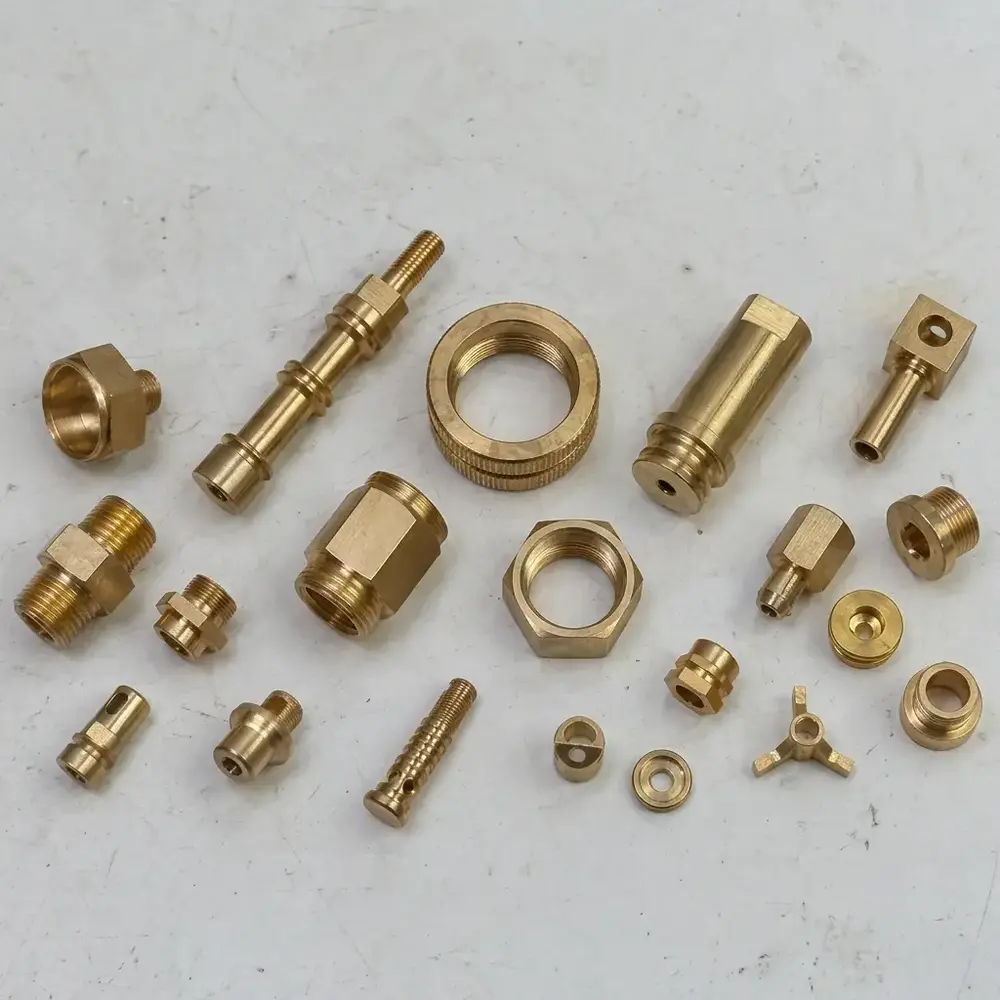
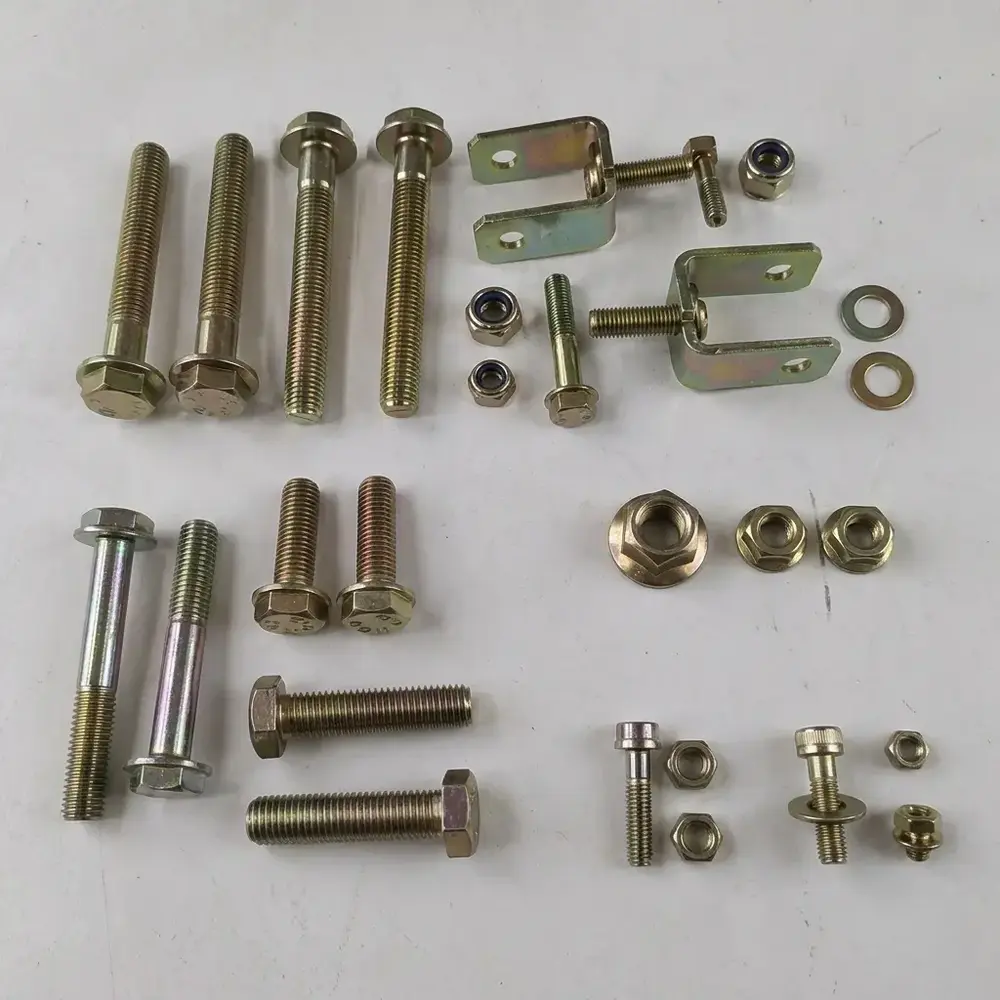
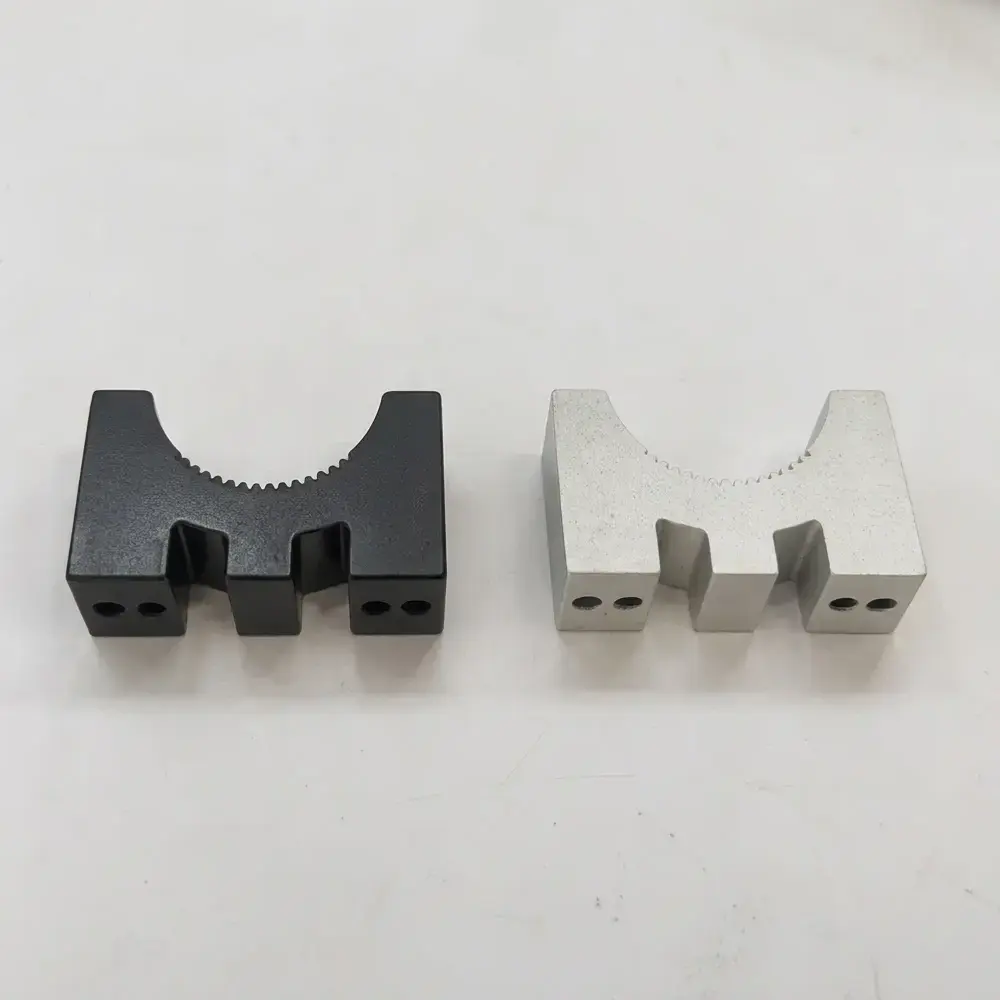
Automobile Parts from dipak sales are precision metal components manufactured to customer drawings, samples and defined automotive specifications.
Material, dimensions, threads, machining features, tolerances and finishing can be developed for OEM and repeat-production requirements.
Automobile Parts Manufactured to OEM Drawings and Specifications
Automobile Parts from dipak sales are precision metal components developed for automotive assemblies where the part must match a defined drawing, sample or engineering specification. The company manufactures precision metal components in Jamnagar and supports drawing-based production across different metal materials and manufacturing processes.
Automotive buyers do not always need a standard catalogue part. A component may have a particular thread, turned profile, drilled passage, milled surface, mounting feature or finishing requirement that belongs to one vehicle system or subassembly. That is where a made-to-print manufacturing approach becomes useful.
What Can Be Defined Before Production?
| Engineering input | What it controls |
|---|---|
| Part geometry | Overall dimensions, diameters, profiles, shoulders, grooves and other functional features. |
| Material grade | Approved metal or alloy selected for the specific component requirement. |
| Threads and holes | Connection, fastening or mating interfaces shown on the drawing. |
| Critical tolerances | Dimensional limits that affect assembly fit and repeatability. |
| Surface treatment | Plating, coating, anodizing, polishing or another specified finish. |
| Production quantity | Prototype, development batch or recurring OEM production requirement. |
Materials for Different Automotive Components
dipak sales identifies ETP Copper, Aluminum, Phosphor Bronze, lead-free brass alloys, low-lead brass alloys and copper alloys among its material expertise. The material is not selected merely because a part is described as an automobile component; it should match the approved drawing, material standard and application requirement.
This is especially relevant for OEM work, where the material grade can be a controlled purchasing or engineering parameter. If a special material requirement is specified, it can be evaluated as part of the component review.
Manufacturing Is Matched to the Part
An automotive component can be a simple turned piece or a more involved part combining multiple operations. dipak sales has capabilities in turning, drilling, milling, tapping, precision machining, forging, casting, sheet metal stamping and other manufacturing processes. The appropriate route is determined by the component geometry and production requirement.
Secondary requirements can also be considered where specified. The company's documented capabilities include heat treatment and annealing, vibratory bowl finishing, buffing, part finishing, anodizing, plating, lacquer finish, powder coating and coating processes.
Automotive Components Across Different Subassemblies
Precision metal automobile parts can be incorporated into mechanical, electrical, sensor-related, fastening and other vehicle subassemblies. Current automotive component manufacturers commonly present custom turned parts, sensor components, inserts, bushes, threaded parts and other application-specific components as drawing-based products.
The exact function and service requirements of an individual part should remain controlled by the customer requirement engineering documentation. dipak sales does not add an unsupported load, temperature, pressure or vehicle-system rating to a generic product page.
From Drawing to Repeat Production
A drawing or approved sample establishes the physical reference for production. Once the part is accepted, the same component definition can be used for recurring orders, with critical characteristics identified for inspection. This is particularly relevant when an automotive customer needs a component to remain interchangeable across production batches.
Inspection for Automotive Component Fit
dipak sales operates an ISO 9001:2015 certified Quality Management System for manufacturing precision metal components. The documented inspection equipment includes digital micrometers, vernier calipers, height gauges, depth gauges, dial indicators, bore gauges, thread plug gauges, thread ring gauges, hardness testing through a third party, tensile testing equipment and chemical composition analysis through a third party.
For an automobile part, inspection can be organized around the dimensions and characteristics identified as critical on the approved drawing rather than relying on visual comparison alone.
What a Technical Enquiry Can Include
- 2D drawing, 3D model or representative sample
- Material grade or applicable material standard
- Critical dimensions and tolerances
- Thread, hole or mating requirements
- Surface treatment or finishing requirement
- Prototype, batch or recurring quantity
Frequently Asked Questions
Can dipak sales manufacture automobile parts from customer drawings?
Yes. The company manufactures precision metal components from customer drawings, samples and defined requirements, subject to technical and production feasibility.
Which materials can be considered for automotive parts?
Documented material expertise includes ETP Copper, Aluminum, Phosphor Bronze, lead-free brass alloys, low-lead brass alloys and copper alloys. The exact material should be defined for the individual part.
Can automotive parts include secondary finishing operations?
Yes. Depending on the approved requirement, processes such as heat treatment, annealing, plating, anodizing, coating, buffing and part finishing can be considered.
