
Recent Products
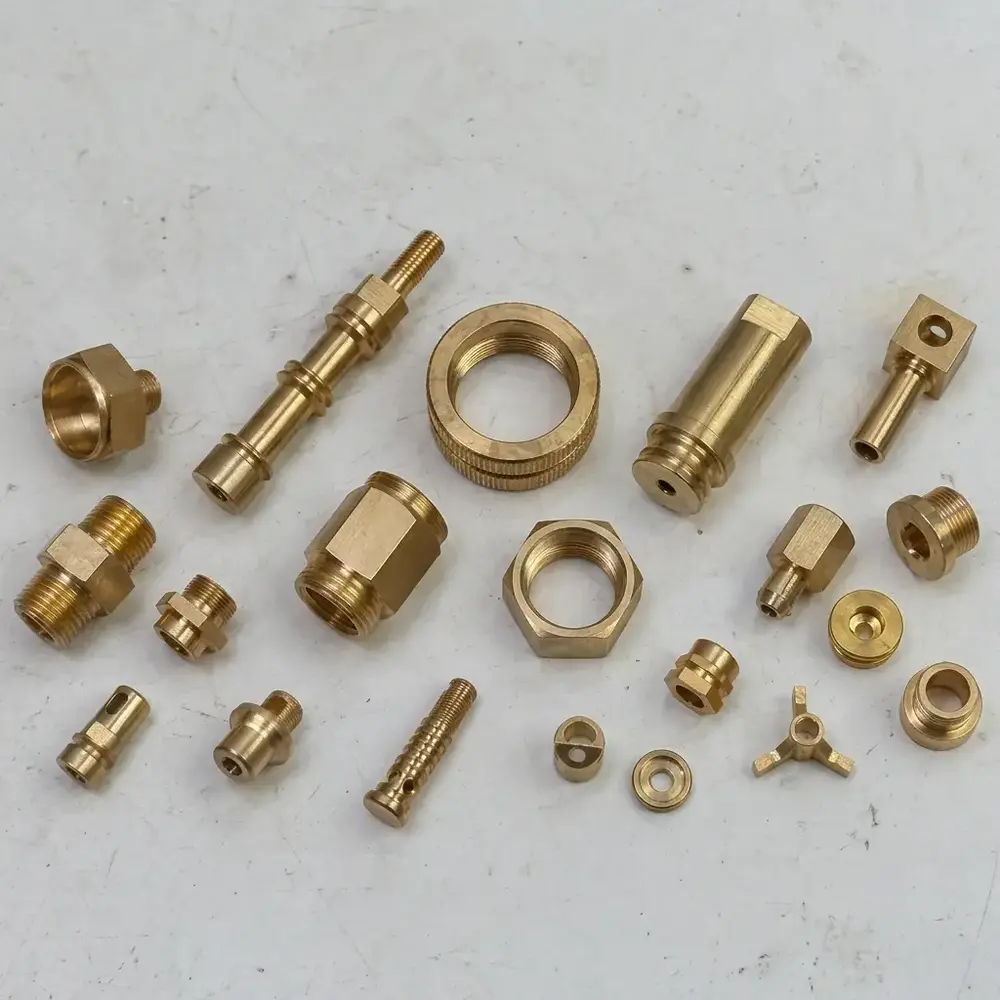
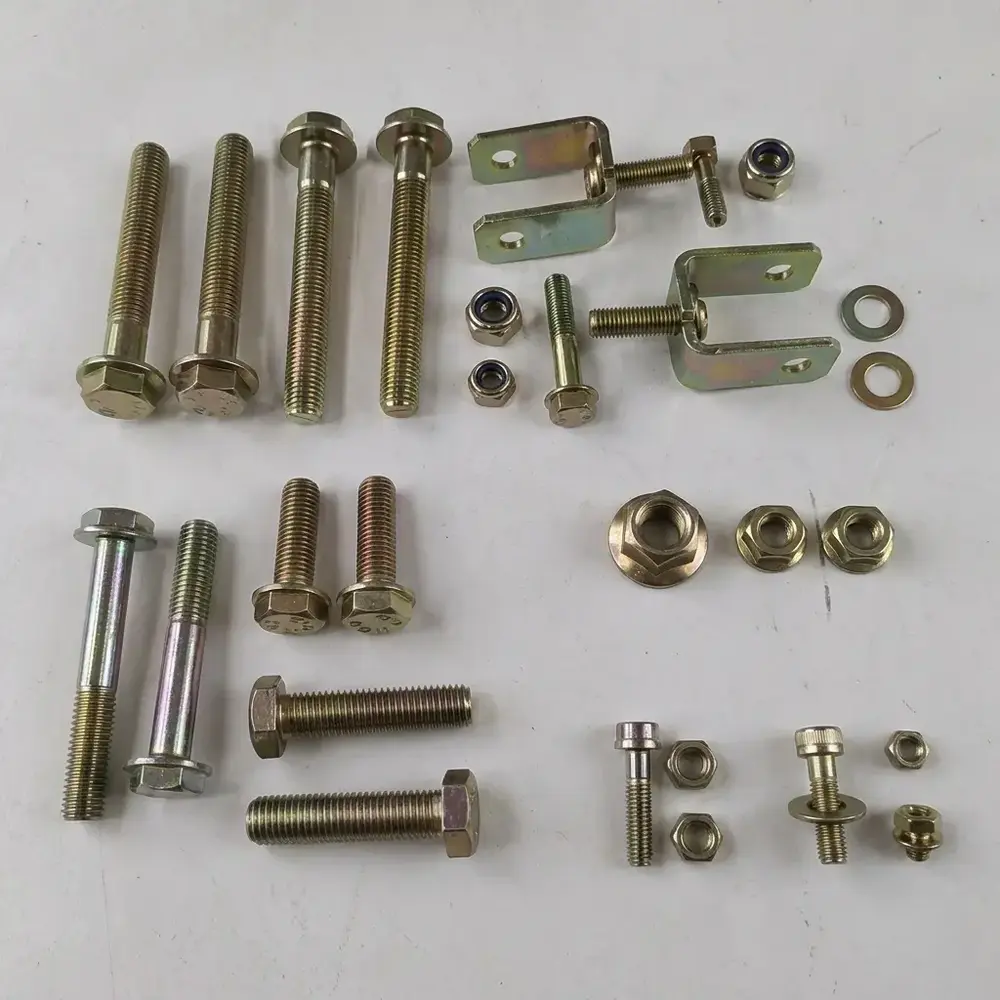

Electrical & Connection Components
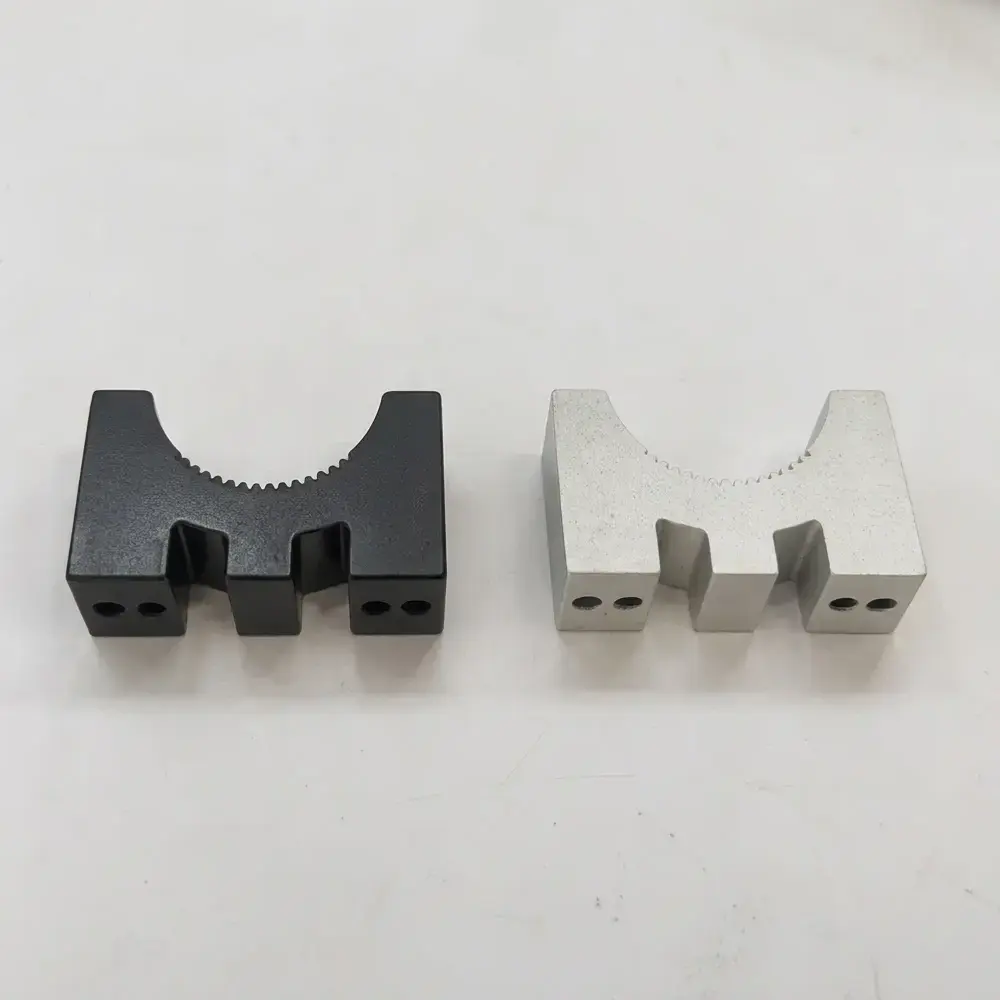
Aluminum Cable Holder
Aluminum Cable Holder manufactured by dipak sales for cable routing and retention requirements in electrical, control and industrial assemblies. The component can be developed around a customer drawing, sample or defined dimensional requirement.
Material, profile, mounting features, tolerances and finishing can be specified according to the application and approved production requirements.
Aluminum Cable Holder for Controlled Cable Routing
In an electrical or industrial assembly, a cable holder has a simple but important job: it keeps the cable in the intended position while fitting the space and mounting arrangement of the equipment. An Aluminum Cable Holder therefore needs to be treated as an engineered component rather than a generic clip. dipak sales manufactures precision metal components from customer drawings, samples and defined specifications, with Aluminum included in its material expertise.
The Part Starts With the Assembly
The most useful information for a custom cable holder is usually found in the equipment layout. Cable diameter or bundle size, mounting location, available clearance and the position of neighbouring components influence the final shape. A drawing can capture these relationships so the holder is made for the intended installation.
Typical drawing inputs
- Overall holder dimensions and profile
- Opening or retaining geometry for the cable
- Mounting hole, slot or fixing arrangement
- Critical clearances and dimensional tolerances
- Required aluminum material specification
- Surface treatment or finishing requirement
Material and Finish Are Part of the Specification
dipak sales lists Aluminum alongside ETP Copper, Phosphor Bronze, lead-free brass alloys, low-lead brass alloys and copper alloys within its material expertise. The exact aluminum grade is not assumed from the product name; it should be established from the approved drawing, material standard or purchasing requirement.
The same principle applies to the surface. Where the design calls for a particular finish, the required treatment can be included in the production specification. dipak sales has capabilities that include anodizing, plating, coating, buffing and part finishing, with the applicable process determined by the component.
Manufacturing Route
There is no single process that fits every cable holder. The geometry determines how the part should be produced. Depending on the design, suitable operations may include:
| Component characteristic | Possible manufacturing consideration |
|---|---|
| Machined holes or slots | Drilling, milling or precision machining |
| Threaded mounting feature | Tapping or another specified thread operation |
| Formed sheet geometry | Sheet metal stamping or a suitable forming route |
| Surface requirement | Anodizing, plating, coating or other specified finishing |
The actual process sequence is selected after reviewing the component drawing and production requirement. This avoids forcing every aluminum holder through the same manufacturing route.
Where This Component Fits
Application depends on the equipment design, but aluminum cable holders can be relevant to electrical panels, control assemblies, industrial wiring arrangements and OEM equipment where cable routing or retention is part of the mechanical design.
For an OEM component, the important objective is not simply to make a holder from aluminum. It is to reproduce the approved geometry consistently so that the component fits the intended assembly during repeat production.
Dimensional Verification
dipak sales operates an ISO 9001:2015 certified Quality Management System for precision metal component manufacturing. Its documented inspection resources include digital micrometers, vernier calipers, height gauges, depth gauges, dial indicators, bore gauges and other measuring equipment.
For a cable holder, inspection can concentrate on the features that affect fitment: overall dimensions, mounting locations, opening geometry and other critical dimensions identified on the approved drawing.
For Custom and Repeat Requirements
A drawing or sample is the preferred starting point for a custom aluminum cable holder. The requirement can then be reviewed for material, geometry, manufacturing process, tolerances, finish and quantity. Once the component specification is approved, it can serve as the reference for repeat production.
Common Questions
Can the aluminum cable holder be made to a customer drawing?
Yes. dipak sales supports drawing-based precision component manufacturing and can review the required material, geometry, mounting features and production route.
Can the holder be made in a different shape?
The profile can be considered according to the customer drawing or sample, subject to manufacturing feasibility and the required material.
Can surface finishing be specified?
Yes. Finishing requirements can be included when they form part of the approved component specification.
