
Recent Products

Aluminium Precision Components
Aluminium Precision Parts
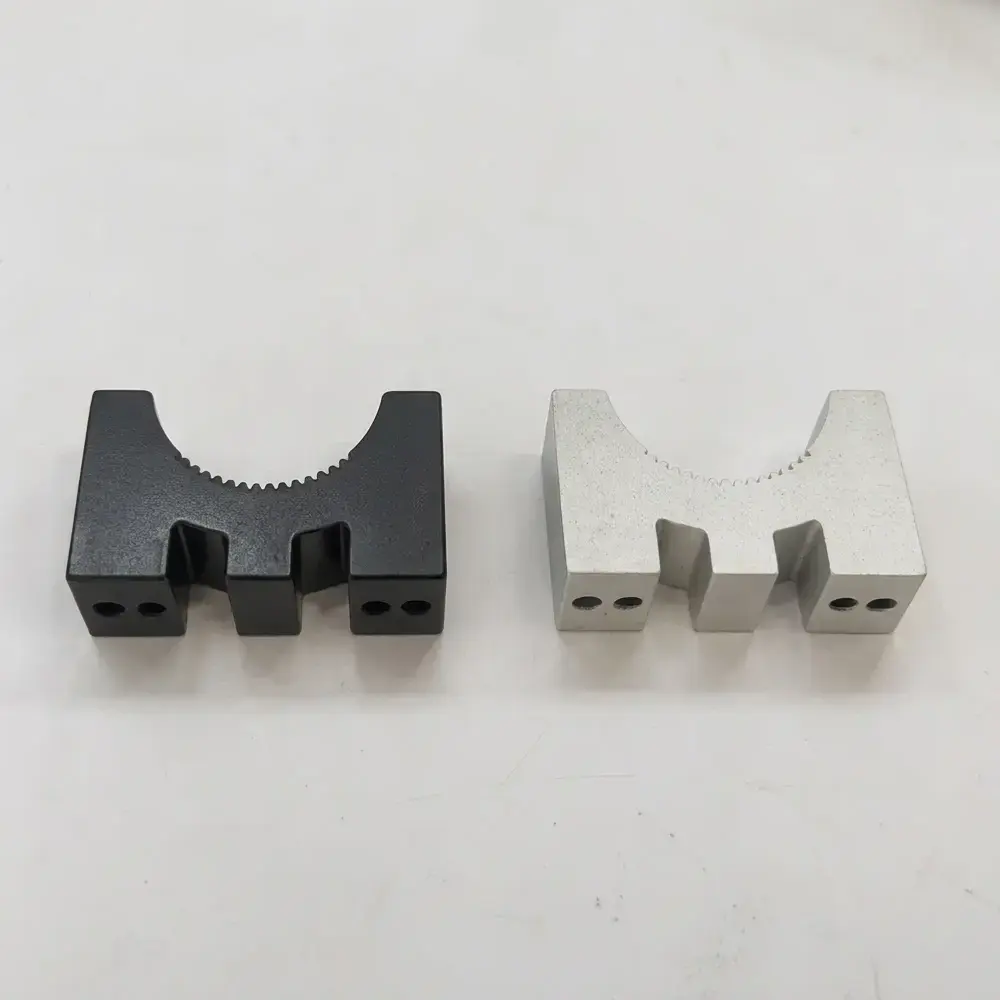
Aluminium Precision Parts from dipak sales are custom machined components developed to customer drawings, samples and specifications for OEM and industrial applications.
Turning, milling, drilling, tapping and specified finishing can be combined according to the component's geometry and production requirement.
Aluminium Precision Parts for Custom Engineering Requirements
Aluminium Precision Parts from dipak sales cover drawing-based machined components where the final geometry, material and functional interfaces are defined by the customer. The part may be turned, milled, drilled, tapped or produced through a combination of machining operations depending on its shape and production requirement.
This broader category is useful for components that do not fit into one simple machining description. A part can have a turned section together with milled faces, drilled holes or tapped connections. The manufacturing process is selected from the completed component rather than forcing every design into one standard process.
What Can Be Defined for the Part?
- Overall dimensions and component profile
- Aluminium grade or material standard
- Critical dimensions and tolerances
- Holes, bores and threaded features
- Slots, flats, pockets or other machined surfaces
- Surface finish or additional treatment
- Prototype, batch or recurring production quantity
Choosing the Manufacturing Route
| Component characteristic | Potential process |
|---|---|
| Round or stepped profile | Turning or precision turning. |
| Flat, slot or pocket | Milling or another suitable machining operation. |
| Hole or bore | Drilling or related precision machining. |
| Threaded feature | Tapping or suitable thread machining. |
| Combination geometry | A sequence of turning, milling, drilling and tapping as required. |
| Specified surface treatment | Anodizing, plating, coating, buffing or another applicable finishing process. |
Material and Production Requirement
Aluminum is part of dipak sales documented material expertise, together with ETP Copper, Phosphor Bronze, lead-free brass alloys, low-lead brass alloys and copper alloys. The customer's approved material specification should identify the required aluminium grade for the component.
Comparable Jamnagar manufacturers present aluminium precision parts around customer drawings or CAD models, CNC machining, turning and milling, with applications across automotive, electrical, industrial and other engineering sectors.
Made for the Finished Assembly
An aluminium precision part may serve as a mounting component, housing-related part, connector component, machined fitting, spacer, pin, bracket or another engineered element. The exact role depends on the customer's design and should be established from the drawing rather than assumed from the product name.
dipak sales lists automotive, electrical and electronics, fastening and fixtures, telecommunications, agriculture, hydraulics, medical technology, energy and data centers among the industries it serves.
Finishing and Inspection
Depending on the approved requirement, dipak sales documents anodizing, plating, lacquer finish, powder coating, coating processes, buffing and part finishing. Inspection resources include digital micrometers, vernier calipers, height gauges, depth gauges, dial indicators, bore gauges, thread gauges and other dimensional measuring equipment.
dipak sales is certified to ISO 9001:2015 for the manufacture of precision metal components. Inspection can therefore be organized around the critical characteristics identified for the individual part rather than using the same checklist for every aluminium component.
For a Custom Aluminium Part Enquiry
A 2D drawing, 3D model or sample is the most useful starting point. Include the material grade, critical tolerances, machining features, surface requirement and quantity. If the part interfaces with another assembly component, that relationship can also help clarify the dimensions that need particular attention.
Frequently Asked Questions
Can dipak sales manufacture custom aluminium precision parts?
Yes. Aluminium components can be reviewed from customer drawings, samples and defined specifications, subject to manufacturing feasibility.
Can one aluminium part use multiple machining operations?
Yes. Turning, drilling, milling and tapping can be combined when the component geometry requires more than one operation.
Is surface finishing available for aluminium components?
Documented capabilities include anodizing, plating, buffing, part finishing, powder coating and coating processes, depending on the approved requirement.
