
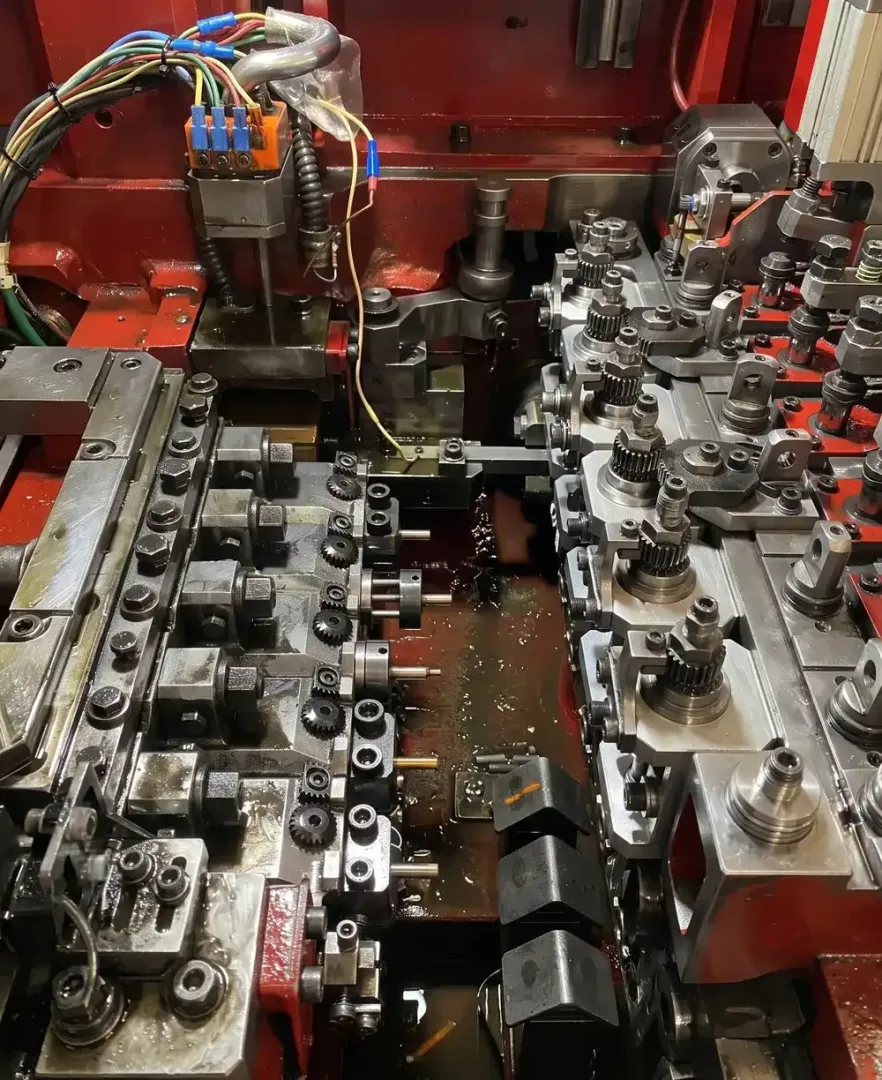
Cold Forging
Cold Forging forms metal through controlled deformation without the elevated-temperature stage used in hot forging. Dipak Sales lists cold forging among its manufacturing services for customers requiring formed components produced to defined specifications.
The process can be considered where component geometry, material behaviour and production requirements make cold forming appropriate. Our documented material expertise covers ETP copper, aluminium, phosphor bronze, lead-free brass alloys, low-lead brass alloys and copper alloys.
Cold Forging for Repeatable Metal Forms
Cold forging shapes material through mechanical force while it remains at or near room temperature. It is considered when a component can be formed effectively without the elevated-temperature stage used in hot forging.
What Makes Cold Forging Different
The absence of a hot-forming stage changes how the material responds during deformation. The choice between cold forging and another forming route depends on material characteristics, geometry, deformation requirements, dimensional expectations and production volume.
Suitable Component Requirements
- Repeatedly produced formed metal components
- Defined shapes achievable through controlled deformation
- Parts where a cold-forming route suits the selected material
- Forged components intended for subsequent machining or finishing
- Customer-specific production based on drawings and specifications
Materials in Our Manufacturing Expertise
Dipak Sales has documented material expertise in ETP copper, aluminium, phosphor bronze, lead-free brass alloys, low-lead brass alloys and copper alloys. The actual material and forming method should be selected against the approved specification.
Inspection After Forming
Our listed measurement resources include digital micrometers, vernier calipers, height gauges, depth gauges, dial gauges, bore gauges, digital measuring instruments and alignment measuring tools.
Cold Forging Within a Complete Production Route
Forging may establish the basic component form while later operations achieve final dimensions or functional features. Dipak Sales also lists turning, drilling, milling, tapping, heat treatment, finishing, coating and assembly among its manufacturing services.
